Water your clivia like this in summer, and keeping it for another 20 years won't be a problem
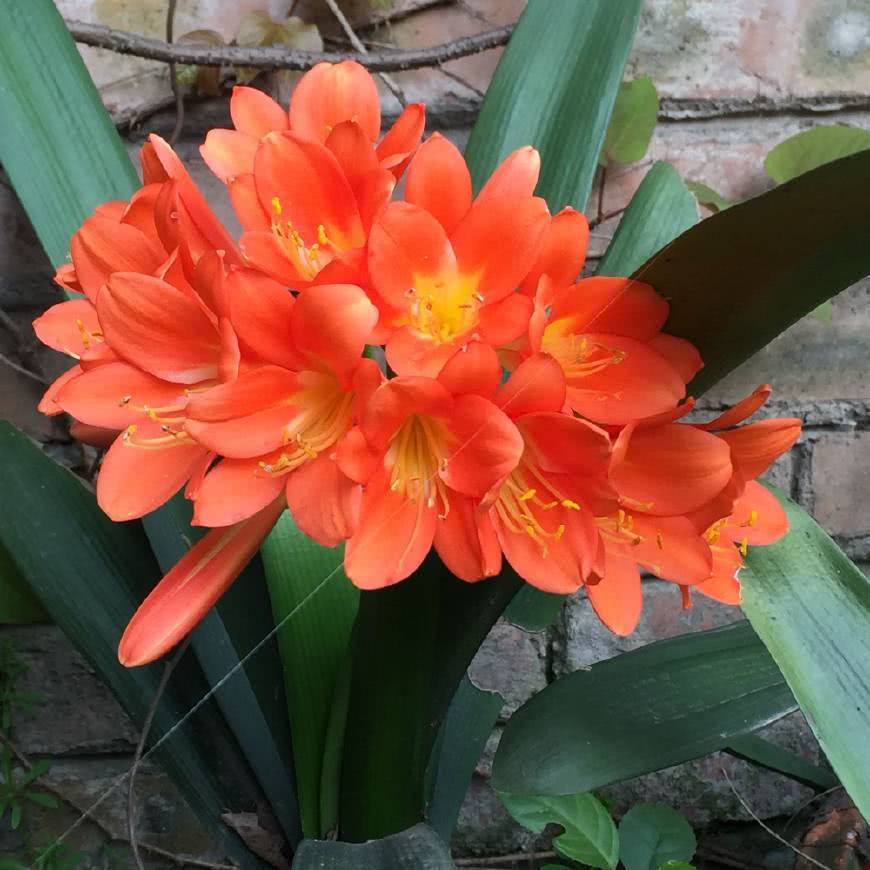
It has been a week since the Start of Summer, and the weather is gradually getting hotter, especially in the southern regions, where temperatures in some places are already above 30 degrees. Did you know? In summer, 80% of flowers die because of improper watering. Don't just water your flowers casually. Today, let's talk about how to water clivia (Clivia miniata) in summer.
Clivia has fleshy roots with a certain water-storage function, and too much watering can easily cause root rot. The watering principle for clivia: don't water until dry, and when dry, water thoroughly. You must wait until the potting soil is completely dry before watering. Summer temperatures are relatively high, and soil moisture is consumed fairly quickly, so the surface soil dries out fast. At this point, many people immediately water their clivia.
In fact, this easily kills clivia by overwatering. The surface soil being dry doesn't mean the soil at the bottom of the pot is completely dry. When temperatures are above 30 degrees, clivia begins to enter a semi-dormant state. Generally, watering thoroughly once every 10 days is enough, and you must pay attention to ventilation, otherwise root rot easily occurs.
Watering once every 10 days is still a rather general statement. We can follow the specific methods below to determine the suitable time for watering:
1. Tap: Lightly tap the pot at the one-half to one-third point. If the sound is crisp, it means moisture is insufficient and watering is needed; if the sound is rather dull, then watering is not needed for the time being.
2. Weigh: Weigh the flower pot, and compare the weight change before and after watering. Weigh it often and you will gain experience; when it is short of water, the weight at that time means you can water it.
3. Insert: Insert a finger into the soil at one-third of the pot's depth. If it feels moist, then watering is not needed for the time being; if your finger feels rather dry, then you can water it.
In each place, according to the local climate, combined with the above three methods and a period of about 10 days, you can basically determine when to water your clivia.