How to grow potted plants from fruit seeds
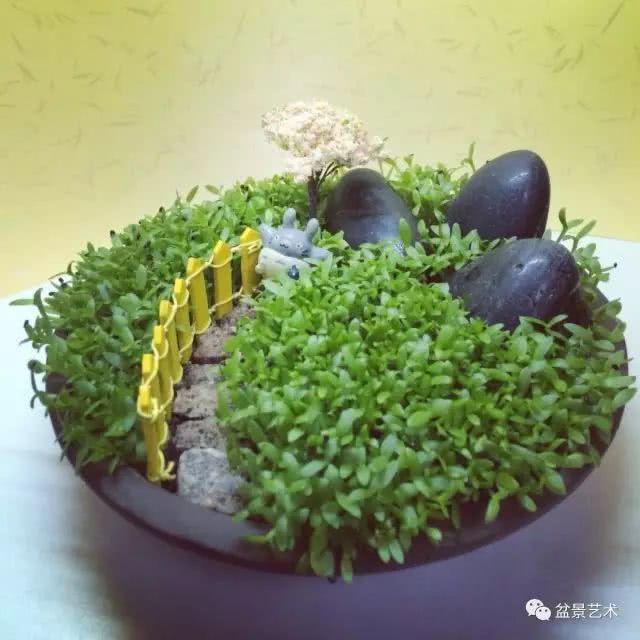
Spring is the sowing season, and every seed holds a kind of magical power. Starting from a tiny seed and growing a small potted plant lets you experience the wonder of life, and this feeling is very different from buying a ready-made plant straight from the flower-and-bird market. From a seed sprouting and taking root bit by bit to growing lush and leafy, the whole process lets you feel the endless surprises that life brings, and at the same time you gain a real sense of achievement. In this issue, let's see how potted-plant experts turn fruit seeds into beautiful potted plants.
Tools and materials
The seeds mainly come from fruit you eat normally, and some vegetables work too. For example: pomelo, loquat, mandarin orange, lychee, longan, lemon, orange, fresh lotus seeds, peanuts, dragon fruit, wampee, durian, taro, sweet potato... and so on. So next time after eating fruit, you might as well save the seeds. Find a pot, bury the seeds well, add a little care, and before long you will harvest a little forest.
Sprayer: essential for watering. Because it is a pot without drainage holes, do not pour water in directly; it is best to use a sprayer so it is more even.
Plastic wrap: for some smaller seeds, after planting, seal the pot with plastic wrap so the seeds will not dry out too quickly.
Methods and steps
1. Choose soil carefully; this is the key to supplying nutrients. High-quality potting soil is most suitable for growing indoor seed potted plants.
2. Fresh seeds. Whether the seeds are saved after eating fruit or picked up casually by the roadside, you must judge how fresh the seeds are. Usually, if the sprout point has turned black or the seed coat is wrinkled, it is not fresh. Because unfresh seeds will not germinate, and planting them will affect the overall appearance of the potted plant.
3. Soak in water to speed up germination. In order for seeds to germinate and grow roots relatively quickly after being put into the soil, seeds are generally soaked in water for about 7 days, and you must change the water every day. If you do not change the water every day, or soak them too long, the seeds will rot.
4. Identify the sprout point. Before putting them into the soil, you must know where the sprout point is. Because some seeds must be planted with the sprout point facing down, while others face up.
5. Arrange the seeds properly. To have a pleasing potted plant, the arrangement of the seeds is key; you must arrange them step by step according to the size of the seeds. Remember, the smaller the seeds, the closer they should be arranged, so you can grow that little-forest look.
6. Appropriately sized stones. Spread them on top, using their weight to make the seed roots firmer.
7. Spray water. Once every two days, use a spray-type sprayer and go back and forth twice to moisten the small stones.
8. Sunlight. Seeds' ability to adapt to the environment is beyond imagination. From the moment it sprouts, it means it has already adapted to the indoor environment and can use the weak indoor light for photosynthesis. If at this point you move the potted plant outdoors to grow, it will instead make the plant quickly end its life.