If the lucky bamboo is placed in the wrong spot, no amount of fertiliser or sunlight will stop the leaves from turning yellow.
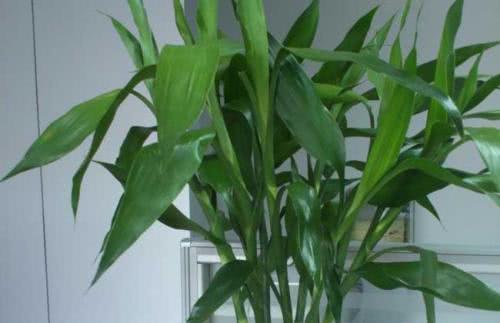
Lucky bamboo symbolises blooming flowers and prosperity, bamboo bringing peace, and great good fortune. Its small, elegant leaves, paired with stems that look like bamboo nodes, are pleasing to the eye no matter how you look at them, which is why so many plant lovers adore it.
Lucky bamboo can be grown in soil or in water. Given suitable conditions, it can grow all year round, and summer is also its peak growing season.
Some plant lovers say that the lucky bamboo they grow gets sunlight and fertiliser, yet still looks the same, with thin stems and some yellow leaves. In many cases, the cause is that it has been placed in the wrong spot.
Lucky bamboo is basically always kept indoors, and much of it is placed next to TVs, computers and the like. These places are naturally gathering spots for dust. As summer arrives, the air indoors becomes drier and there is more dust, which settles even more on the leaves of lucky bamboo, clogging the breathing pores. Add to that not wiping the leaves for a long time, so they cannot carry out normal metabolism, and naturally it will not grow much, and the leaf tips will turn yellow.
So keep it away from computers and TVs. As the weather gets hotter, homes also use electric fans, and you should try not to let the fan blow on it. You can simply wipe its leaves about once a week, and normally spray a little water vapour on the leaves.
With good care in summer, it can also grow very well. You can apply some nitrogen fertiliser to promote its growth, making the stems thicker and stronger and the leaves greener.
This weather is also the peak period for lucky bamboo to develop disease. Lucky bamboo in a pot should not be too tightly packed, otherwise it is very prone to disease in a high-temperature, high-humidity environment. If you find yellowing leaves and the like, remove them promptly. You can dilute 42% kelimycin powder 3000 times and spray it on the leaves.
That is all for lucky bamboo care. If you have anything to add, plant lovers, you can share it with everyone in the comments section below. To learn more about growing plants, you can follow Huajianke!