A large climbing rose suddenly collapsed, and the culprit turned out to be a single stem sawfly larva
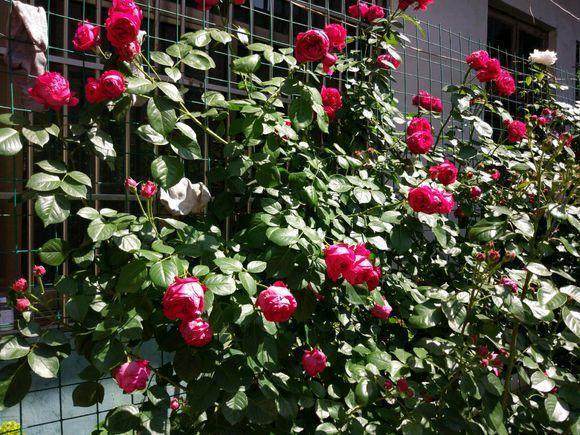
A gardener friend had a rose at home that had already covered the whole wall and bloomed profusely, so it could be called the gardener's favorite. But this rose, with its many buds and vigorous growth, did not bloom at all this year, and the buds even began to turn yellow.
When caring for roses, fertilizer is very important. It is best to choose ecologically safe organic fertilizer, rich and balanced in nitrogen, phosphorus, and potassium, with various organic matter, minerals, and amino acids added, to promote vigorous plant growth, produce more flower buds, bloom more, and extend the flowering period.
At first, the gardener friend thought it was not enough fertilizer, so they added some fertilizer to encourage blooming, but it still did not improve. So they thought about cruelly pruning this rose, thinking it might quickly sprout and bloom. After pruning, however, they discovered this scene.
Inside the stem there was actually a large worm, which was a sawfly larva, and it had almost destroyed the entire rose, eating away the inside of the stem. This blocked the rose stem from transporting nutrients, so although flower buds formed, they could not bloom and slowly turned yellow and withered.
To improve the disease resistance of roses and reduce pests and diseases, be sure to supplement them with nutrient solution, rich in nitrogen, phosphorus, and potassium, with various organic matter, minerals, and amino acids added, to promote rose growth, blooming, and improve resistance.
Stem sawfly: Stem sawfly has 1 generation per year, overwintering as larvae inside damaged branches. It begins activity in late March of the following year, emerges from the branches, and bores into new branches. It first feeds in a ring between the xylem and phloem for 1 circuit, then bores upward along the pith, biting 1 circular frass hole at certain intervals and expelling oblong frass. The damaged branches and leaves wither and break. It pupates in mid-April, and adults emerge in early May. Females lay eggs in the evening.
The gardener friend said: "I pruned a lot, and in the end only one huge shoot was left. I really could not bear to cut it, so I kept it. If there are stem sawflies here too, then I can only accept my fate, because whether I cut it or the stem sawfly eats it, there is no difference. Such a good large climbing rose has collapsed just like that."