10 Essential Things to Know About Growing Orchids
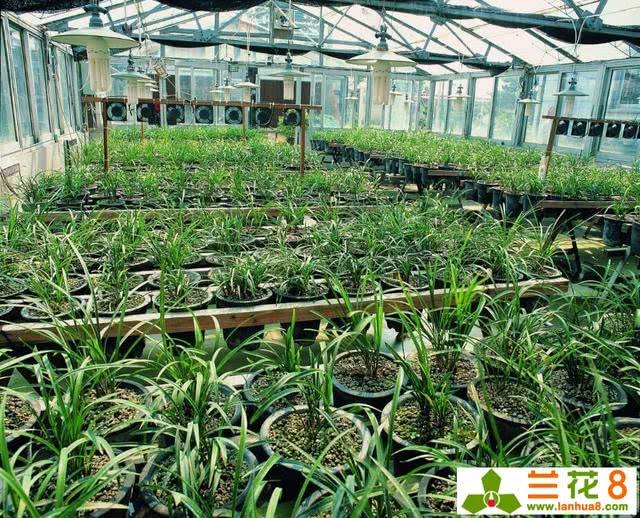
1. Disinfect wounds first: When repotting or dividing plants, if the stems, leaves, or roots have wounds, first apply a fungicide to the wounds to prevent pathogens from entering. After planting, waiting 2 to 3 days before watering is safer. 2. Disinfect old pots: As a rule, new pots should be used for planting orchids, but it is a shame to use pots only once when growing them in large quantities. Old pots can be disinfected with a disinfectant and used again.
3. Do not use too large a pot: Planting a small plant in a large pot means using more growing medium, which easily leads to poor aeration, and the moisture from watering is not easily distributed evenly. If more water is given and too much is absorbed, the growing medium does not dry easily, bacteria can easily enter, and root rot results.
4. Plant the orchid shallowly: Orchids must not be planted deeply; if planted deeply, the base stays damp for a long time and rots. When planting, fill the growing medium around the roots, and the base or pseudobulbs must be exposed and not buried in the growing medium.
5. Place new shoots in the center: When planting an orchid, do not plant the whole plant in the center of the pot. Instead, place the new shoots in the center of the pot. For the time being it may look as if it is leaning to one side, but in the future, when the new shoots grow and bloom, they will be in the center of the pot.
6. Spread the roots out: When planting an orchid, the roots should be spread evenly in all directions and must not be squeezed into a ball. Only then can every root touch the growing medium and get good aeration; otherwise, the roots rot easily.
7. Secure the plant: Orchids cannot be planted deeply, so they often wobble and cannot stand steadily. Therefore, a stake, tying wire, or a hanging hook used as a support must be used to secure them so they do not move and damage the base.
8. Press the growing medium down slightly: Orchid growing medium must be airy and drain well, but it should also be pressed down slightly; otherwise, the space at the base is too large and the roots grow poorly. The correct method is to press firmly from both sides, not to press down heavily from above.
9. Do not water for several days: Newly planted orchids may have injured roots. After the wounds are coated with fungicide, do not water for 3 to 5 days so the fungicide can take effect and also promote the growth of new shoots and new roots. This is where orchids differ from ordinary herbaceous flowers.
10. Avoid strong light: Newly planted orchids must all be protected from direct strong light to prevent excessive dehydration. They should be placed in a warm, shaded spot, and misting can raise the humidity in the air until the orchid returns to normal growth. I publish orchid knowledge and pictures every day, taking you deeper into the world of orchids and teaching you how to grow orchids easily. If there is anything you do not understand about orchids, you can ask me at any time or leave a comment below. If my knowledge has helped you, I hope you can give me a like or share it to help more people!