A vegetable famous for being unpalatable was fed to pigs by farmers, but it is actually a top-tier calcium-rich vegetable
Friendly reminder
Hemu Report aims to share and popularize information about various plants and their uses, for reference only. If medicinal use is needed, it is recommended to consult a professional physician to avoid problems!
In rural areas, almost every household has a vegetable garden, and people usually grow some seasonal vegetables, which are both fresh and money-saving. Most of the vegetables grown by farmers end up on the dining table. Some that cannot be finished are taken to the market to sell, or simply processed into pickled vegetables or dried vegetables, which can be eaten for a long time. However, there is one kind of vegetable that farmers grow mainly to feed pigs, because this vegetable is known for being unpalatable. Few people in rural areas eat it, and it is also relatively rare in the city.
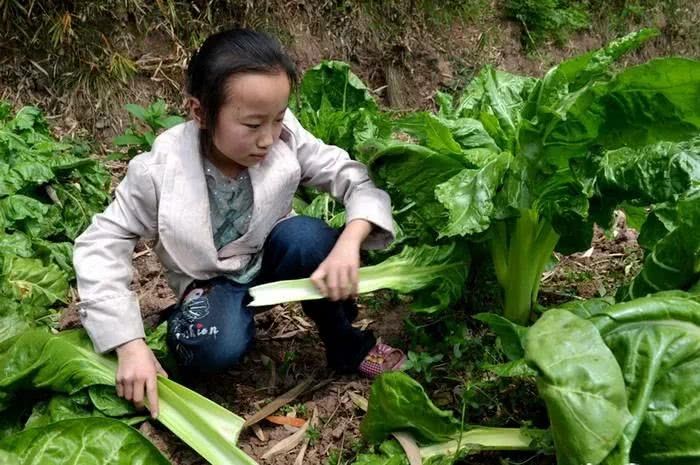
This vegetable is nicknamed "pig mother vegetable." The name is quite straightforward and makes clear that its purpose is to feed pigs. Pig mother vegetable is actually called "chard" by its scientific name. It was once a widely planted vegetable because it grows especially tall and robust, with thick leaves and tough, resilient leaf stalks. In the past, people could fill their stomachs with it. But now, with the diversification of vegetable varieties, this vegetable has gradually been reduced to pig feed. Its chewy texture gives it good animal palatability, and poultry and livestock all like to eat it.
However, using chard to feed pigs actually underestimates it, because chard's nutritional content is still very rich. First, its crude fiber content is relatively high, and eating it regularly can promote gastrointestinal motility and help prevent and treat constipation. Second, chard's calcium content is very high among vegetables. Calculated per 100 grams, chard contains 75 mg of calcium, tomatoes contain 10 mg, and cucumbers contain 24 mg. Chard's calcium content is 7 times that of tomatoes and as much as 3 times that of cucumbers. It can be called a top-tier calcium-rich vegetable among vegetables.
The reason chard is unpopular is mainly its texture, so when cooking it, you can consider how to make its texture more acceptable to people. I remember that when my grandmother made chard, she would always boil and blanch it first, then cut it into shreds, add various seasonings, and serve it as a cold dish. It was actually quite tasty. Grandma said that eating chard can clear heat and reduce internal heat, and she always told us to eat more of it. I heard that people in Guangdong also use chard to make buns. Has anyone ever tried them? Many people do not know that chard is actually also a traditional Chinese medicine and can treat many diseases.
In "Tang Bencao," its effects are recorded: "In summer, grind its vegetable to make porridge, relieve heat, and also stop heat-toxin dysentery. Pound and apply to moxibustion sores to relieve pain." The book says that cooking porridge with chard can relieve summer heat in summer, and can also clear heat toxins and stop diarrhea. Pound it into a paste and apply it externally, and it also has a pain-relieving effect. Readers and friends, have you ever eaten chard?
Text/Hemu Report, images/Internet
If you like Hemu's articles, you are welcome to follow