Four Summer Flowers That Tolerate Sun and Are Easy to Grow, Blooming in Abundant Clusters
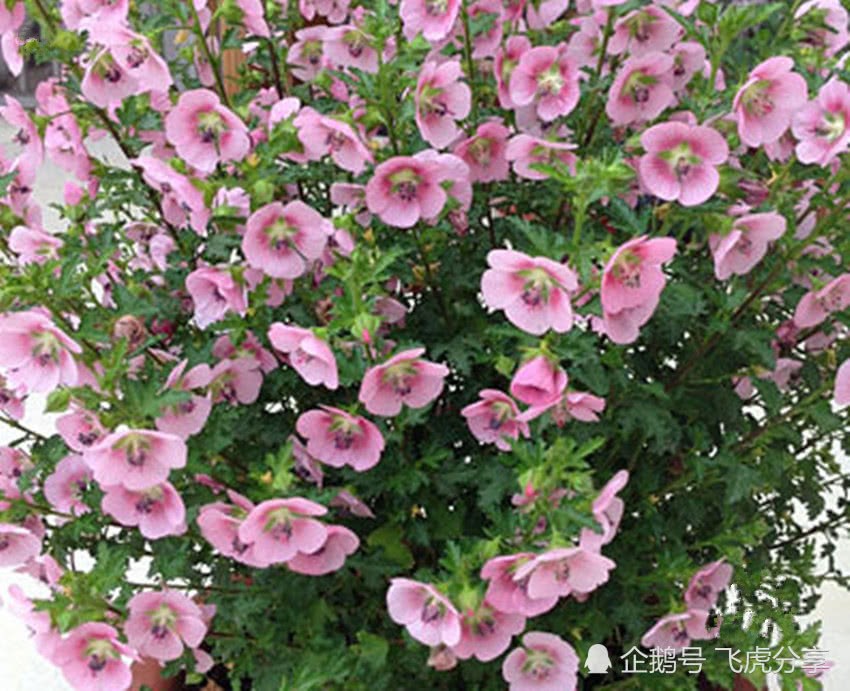
The high summer temperatures are more than many flowers can bear, yet among the vast number of flowers there are a few that grow faster and bloom more the fuller the sunshine is. What is more, they are very easy to grow, so you no longer need to worry about them being scorched to death by the summer sun.
Verbena: with its swaying posture, gorgeous flower colours and a lush, long-lasting ornamental period, verbena is the best ornamental flower for balconies and courtyards. Verbena likes a warm climate, with an optimum growing temperature of 20-30°C; it is not cold-tolerant and grows rather slowly below 10°C. It grows best in full sun, and cultivation in an environment with insufficient sunlight leads to poor growth. It can bloom all year round, has a long flowering period and high ornamental value, with spring, summer and autumn flowering being better, while in winter it flowers poorly or not at all. It is not demanding about soil and will do well as long as drainage is good; it has strong drought tolerance and moderate water needs.
Portulaca grandiflora, also called sun plant or "die-hard", likes sunshine most of all; as long as it gets sufficient light throughout its growing period, it will have lush leaves and abundant flowers. Portulaca grandiflora opens its flowers when it sees sunlight and closes them in the early morning, at night and on cloudy days, hence the names sun plant and noon flower. Its flowering period is from May to November. The sun plant likes a warm, sunny environment and grows poorly in dark, damp places. It is extremely tolerant of poor, thin soil and can adapt to ordinary soil, and it is especially fond of well-drained sandy soil.
Bougainvillea: bougainvillea fears cold but not heat; it likes a warm, humid climate, is not cold-tolerant, tolerates high temperatures and fears dryness. It can flower only above 15°C. It likes ample light. It is not strict about soil and grows well in well-drained, mineral-rich clay loam and in well-drained sandy loam; it tolerates poor soil, alkali and drought, dislikes waterlogging and tolerates pruning. Bougainvillea has a relatively large water requirement, especially in the height of summer; when the water supply is insufficient it easily drops its leaves, which directly affects normal plant growth or delays flowering. If the soil is too wet, it causes root rot. Bougainvillea is a plant that likes bright light; if the light is insufficient or it is too shaded, the new branches grow thin and weak and the leaves look dull.
Petunia: with large, numerous flowers, profuse blooming, a long flowering period and rich colours, it is an excellent flower for flower beds and planters; it can also be planted in natural clumps and used as a cut flower. In a suitable climate or under greenhouse cultivation it can bloom in all four seasons. Petunia is a long-day plant; it is not cold-tolerant and fears rain and waterlogging. Petunia can withstand high temperatures above 35°C, and vigorous growth requires plenty of water. During the plum rain season, avoid overly wet petunia potting soil, which causes leggy stems and leaves and can even lead to root rot and death from long-term waterlogging. The flower language of the petunia is "peace of mind", foretelling family happiness, harmony and tranquility. It is one of the flowers very well suited to being grown at home.