Corn spider mites enter their peak outbreak period: do these things to reduce pest damage
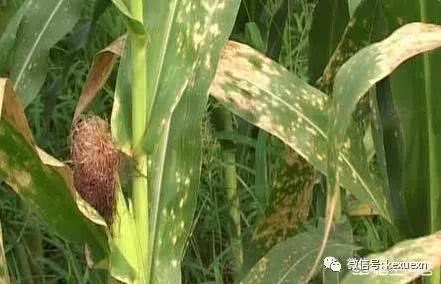
Spider mites have long been one of the agricultural pests, damaging not only corn but also cotton, peanuts, fruit trees, flowers and more. Their damage to corn mainly shows as spider mites sucking the sap of corn, causing corn leaves to dry up, affecting corn growth, causing yield loss and other damage. Below, Kexue Xingnong shares with everyone how to achieve scientific prevention and control of spider mites.
1. The damage caused by spider mites
Spider mites generally begin activity in spring, mainly active among weeds, and reproduce very quickly; generally spider mites can reproduce about 20 generations per year. As the weather turns hotter and corn grows vigorously, spider mites move from weeds to corn at this time. Swarms of spider mites gather on the underside of corn leaves, sucking the sap of corn leaves, causing corn leaves to dry up and lose green color, and in severe cases causing large-scale leaf death, seriously affecting corn yield.
2. The living habits of spider mites
To control spider mites, you need to understand their living habits; this is what is meant by knowing yourself and your enemy and winning every battle. Generally, spider mites begin to appear on corn in June, and July enters the peak period of corn spider mite infestation. If humidity is below 70% and temperature is between 26°C and 30°C, this is the most suitable environment for spider mites to survive and reproduce. Especially in northern regions, after entering July, with high temperatures and little rain, spider mites can reproduce one generation in about a week, causing severe corn spider mite infestation. Especially when corn planting density is relatively high, temperatures are high at this time, and farmers' awareness of spider mite prevention is not strong, it is very easy for large areas of corn to suffer spider mite damage.
3. Prevention and control of spider mites
Clean up weeds in time. In the early stage, spider mites mainly live on weeds, and at this time spider mites generally have not yet broken out on a large scale, so routinely clean up weeds at field edges and on ridges in time. Achieve early detection and early control. In the early stage of corn growth, when corn plants are not yet very large, check the underside of corn leaves in time; after finding spider mite infection, remove the leaves in time and burn them.
Pesticide treatment. For corn fields where spider mites have already occurred, promptly spray insecticides for spider mites; generally choose 1.8% abamectin or 40% propargite 1500-2000 times solution for spraying control. Spider mites mainly gather on the underside of corn leaves, so the pesticide must be sprayed onto the underside of the leaves.
Natural enemies. Spider mites also have natural enemies; some beetles, lacewings and ladybugs all prey on spider mites, so when spraying insecticides do not use broad-spectrum insecticides, to avoid killing these natural enemies of spider mites. Alternatively, some of these insects can be captured and released in the field to reduce the number of spider mites.
In addition, reasonable crop rotation can also be used to prevent rotation with crops such as corn, peanuts and soybeans that are relatively prone to spider mite outbreaks; try to plant crops that are not prone to spider mite outbreaks, which can reduce the reproduction speed of spider mites. In addition, for some farmland with relatively good conditions, smoke control, field fumigation and other methods can be used to reduce spider mites.
The above answer on how to prevent and control spider mite outbreaks in corn comes from Kexue Xingnong original content, and we hope it is helpful to you. In particular, it should be noted that in summer corn fields the temperature is relatively high and ventilation is poor, so growers must pay attention to their own safety when spraying pesticides.