Are Succulents Poisonous? If You Love Growing Plants, Watch Out for These Varieties
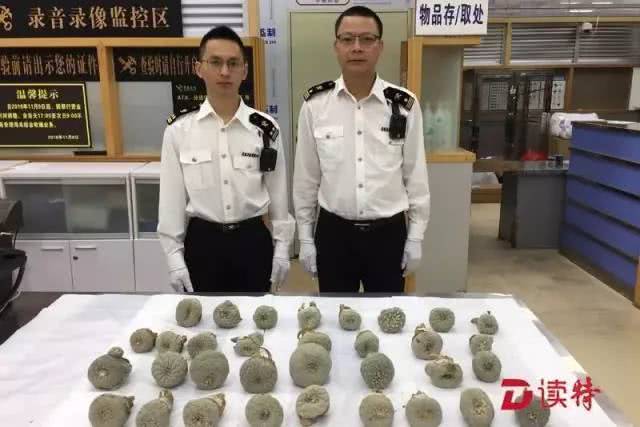
Last night, Huahua saw some news: the police seized quite a few cases of Lophophora williamsii being brought into the country at customs. It's said that this Lophophora williamsii contains hallucinogenic alkaloids that can make people lose their minds! It nearly scared Huahua to death! Who would have thought that behind such adorable succulents, there could be poison!
Lophophora williamsii
The Complete Guide to Growing Flowers
Why Is It Poisonous?
The first one Huahua will talk about is the Lophophora williamsii that the police seized! Lophophora williamsii contains an alkaloid called mescaline. If accidentally ingested, it can cause hallucinations, leading to mental confusion and even threatening life.
This Lophophora williamsii doesn't look particularly attractive, but the price is truly high, especially those bought from overseas. The most expensive one reached 3600 yuan! Forgive Huahua for being poor, I really can't afford it!
Household Care Tips:
1. Just keep it indoors for viewing. Never accidentally eat it.
2. Especially if you have children or pets at home, it's best to place it on a higher cabinet so children can't reach it.
Lophophora diffusa
The Complete Guide to Growing Flowers
Why Is It Poisonous?
Lophophora diffusa, like Lophophora williamsii, belongs to the Lophophora genus of succulents. It contains mescaline, which is classified by public security authorities as a hallucinogenic drug. If you accidentally ingest a certain dose of Lophophora diffusa, you risk experiencing auditory and visual hallucinations.
Household Care Tips:
1. Never accidentally eat it! Remember! Remember!
2. Don't ask friends to buy succulents from overseas for you, because overseas succulent purchases require a permit; otherwise, they are not allowed.
Euphorbia neriifolia
The Complete Guide to Growing Flowers
Why Is It Poisonous?
Euphorbia neriifolia, as a member of the Euphorbiaceae family, contains milky white sap in its stems. This sap contains toxic proteins, alkaloids and other substances. If the sap accidentally gets on the skin, it can cause redness, swelling, itching and other symptoms.
Household Care Tips?
1. If you have children at home, absolutely do not let them touch Euphorbia neriifolia.
2. If you need to prune or repot Euphorbia neriifolia, it's best to wear gloves to prevent the sap from getting on your skin.
Euphorbia trigona
The Complete Guide to Growing Flowers
Why Is It Poisonous?
The stems of Euphorbia trigona contain milky white sap, and this sap is toxic. If it accidentally gets on the skin, it will cause redness, swelling and itching. If accidentally swallowed, the lips will quickly go completely numb.
Household Care Tips:
1. Don't break the stems normally. As long as the sap doesn't touch the skin, there's no problem.
2. If it accidentally gets on the skin, wash your hands immediately. If it accidentally gets into your eyes, immediately apply antibacterial and anti-inflammatory eye drops.
Euphorbia tirucalli
The Complete Guide to Growing Flowers
Why Is It Poisonous?
The stems of Euphorbia tirucalli contain toxic sap, which includes toxic proteins and diterpenoid compounds. Both of these substances can trigger allergies, so if they accidentally get on the skin, they will cause redness, swelling, itching and other problems.
Household Care Tips?
1. As long as you don't break the stems of Euphorbia tirucalli, it won't harm the human body. If you have dogs, cats or the like at home, it's better not to grow it.
2. When handling Euphorbia tirucalli, you must avoid getting the sap on your hands. If you do, rinse immediately with plenty of water.
Tylecodon (Crassulaceae) Succulents
The Complete Guide to Growing Flowers
Why Is It Poisonous?
Almost all succulents in the Crassulaceae family, Tylecodon genus are toxic, because they contain toad venom and bile acid compounds. These compounds stimulate nerves and muscles, causing redness, swelling, allergies and even various heart diseases. Examples include Tylecodon paniculatus, Tylecodon singularis, Tylecodon wallichii and others.
Household Care Tips?
1. Remember, absolutely do not let the sap touch your hands!
2. It is a spring-autumn type succulent with low environmental requirements and is quite easy to keep alive. It can be propagated by division or by cuttings.
Jade Plant (Crassula ovata)
The Complete Guide to Growing Flowers
Why Is It Poisonous?
The jade plant belongs to the Crassula genus of succulents and is green all year round. The stems and leaves contain euphol, and if accidentally touched, it can cause skin redness, pain and even swelling.
Household Care Tips?
1. If you have elderly people, children or even pets at home, Huahua suggests it's better not to grow it!
2. It can bloom in winter. As long as you reduce watering and give it 3-4 hours of light every day, you can encourage the jade plant to bloom.
Crown of Thorns (Euphorbia milii)
The Complete Guide to Growing Flowers
Why Is It Poisonous?
If other succulents only have toxic sap, that would be one thing, but the crown of thorns is different. Not only does its sap contain toxins that cause allergies, leading to skin allergies and redness, but its exterior also has sharp thorns that can easily prick you if you're not careful!
Household Care Tips:
1. If you have children at home, it's best not to grow crown of thorns; if you do grow it, place it somewhere children can't reach.
2. Place the crown of thorns in a spot with good light to encourage more blooms, but be careful to provide shade during high summer temperatures.
The succulents Huahua mentioned
are basically only toxic when you come into contact with their sap.
So everyone doesn't need to panic too much,
as long as you pay a little attention when caring for them.
?