To grow flowers, first grow the roots: add a little something to the bottom of the pot, and the leaves will be lush and green with flowers blooming nonstop through all four seasons
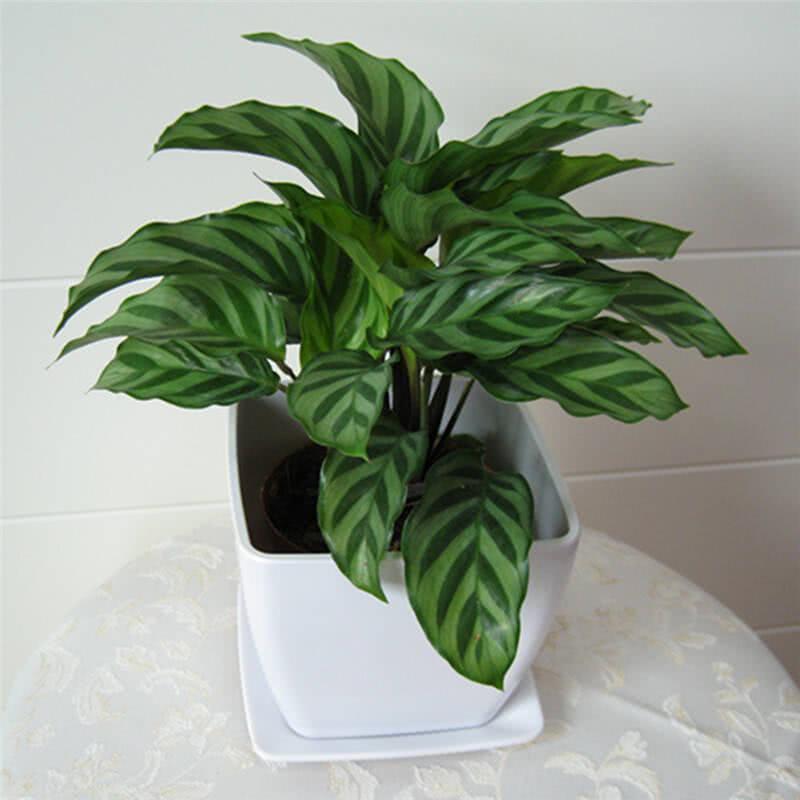
As the saying goes, to grow flowers well you must first grow the roots well; only when the roots are well grown can the branches and leaves flourish and the leaves be green and the flowers vibrant. When we grow flowers, doing a little something at the bottom of the pot can keep the plants from root rot, with leaves lush and green and flowers blooming nonstop through all four seasons. Keeping the potting soil loose and breathable is the key; only with good breathability can the flower roots grow better and better.
1. Expanded clay pebbles
Expanded clay pebbles are artificially fired and have the effect of retaining water and preserving air; placed at the bottom of the pot they make a very good drainage layer. The pebbles themselves carry a fiery quality, so they need to be soaked in water first before use. They can also be spread on the surface of the potting soil, which can help prevent the soil from becoming compacted.
2. Nut shells
Leftover sunflower seed shells, peanut shells, walnut shells, longan shells and other hard nut shells are all very good materials. Generally soak them in water for a few hours, dry them in the sun, then use them; after crushing these shells, place them at the bottom of the pot. This not only helps with breathability but can also provide nutrients for the flowers and plants.
3. Charcoal pieces
Charcoal has a loose and breathable effect and can prevent root rot caused by water accumulation; charcoal also has many void structures that can lock in a certain amount of water and nutrients and release them slowly, and charcoal itself is also a very good fertilizer.
Of course, just ensuring the potting soil has good breathability and water permeability is still not enough; when potting up, it is best to also apply sufficient base fertilizer.
1. Slow-release fertilizer
Slow-release fertilizer is rich in nitrogen, phosphorus, potassium and trace elements; they control the release of fertility, will not cause fertility to be lost or wasted, and also let the plant release it slowly and continuously.
2. Eggshells
Eggshells contain relatively large amounts of phosphorus fertilizer and calcium. Generally, after boiling them in water to remove residual egg white, drying them in the sun and crushing them by hand, then putting them into the potting soil, they can not only improve the soil structure but also provide the plant with phosphorus and potassium fertilizer and calcium, improving the plant's resistance and promoting flowering.