These highly toxic potted flowers: never keep them at home if you have small children. Have you fallen for any of them?
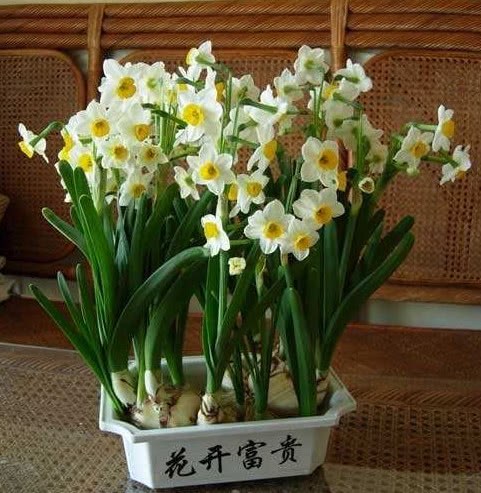
Narcissus. Narcissus is a traditional ornamental flower that likes warm, humid environments and plenty of sunlight. Narcissus has very strong vitality. It likes fertilizer and water, needs soil with good drainage, and prefers sandy soil. The narcissus bulb is full of sap and is toxic, containing lycorine. If eaten by mistake, it can cause vomiting and diarrhea, as well as red, swollen skin.
Calla lily. It is a perennial robust herbaceous plant. Calla lily likes warm, humid, sunny environments and is not cold-tolerant. The calla lily flower is highly toxic, containing large amounts of calcium oxalate crystals and alkaloids. Accidental ingestion can cause poisoning symptoms such as drowsiness. Although calla lily is toxic, it can be used as an external medicine, but it must not be taken internally.
Dieffenbachia (spotted dumb cane). An evergreen shrub-like herb that likes warm, humid, semi-shaded environments, is not cold-tolerant, and is drought-tolerant. Dieffenbachia has extremely high ornamental value. It likes moisture and fears drying out, so the potting soil should be kept moist. During the growing season, water thoroughly and spray water around it and mist the plant. Accidental ingestion of dieffenbachia damages the vocal cords, and in severe cases turns a person mute.