A succulent expert got into the hobby 2 years ago and has grown a batch of beautiful succulents
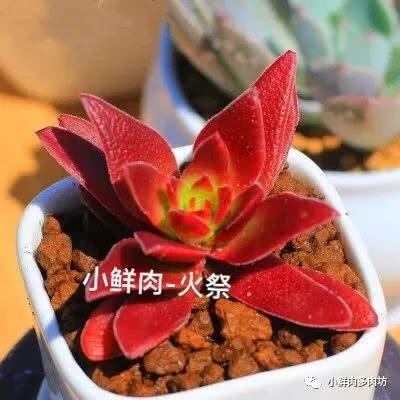
"Once you fall into the succulent pit, it's as deep as the sea." Ever since I first laid eyes on succulents, I was drawn in by their adorable appearance and bright colors, and I truly have zero resistance to them.
Many succulent lovers are working hard to grow jelly-colored succulents, but as we grow them, we discover that the jelly-colored state isn't something we can bring out just by wanting it.
But don't worry if you can't grow it. Every succulent veteran started out completely clueless too. Observe more and practice more, and you'll succeed eventually.
Below, let's look at what to pay attention to if you want to grow jelly-colored succulents:
Plants naturally contain anthocyanins, which are an important reason for the appearance of jelly colors, but they get covered up when chlorophyll content is too high.
Strong light and low temperatures can make succulents change color, so getting plenty of sun is also key. But without a sufficient temperature difference, it's very hard to achieve the jelly-colored effect.
To sum up, the three basic factors for succulents turning jelly-colored:
Sunlight: must get 4 hours of normal daily sunlight every day;
Large temperature difference: jelly colors are relatively easy to bring out in spring and autumn weather,
Water control: controlling water can reduce the formation of chlorophyll.