Succulents that stop growing are mostly in a state of stalled growth - learn the rescue techniques quickly
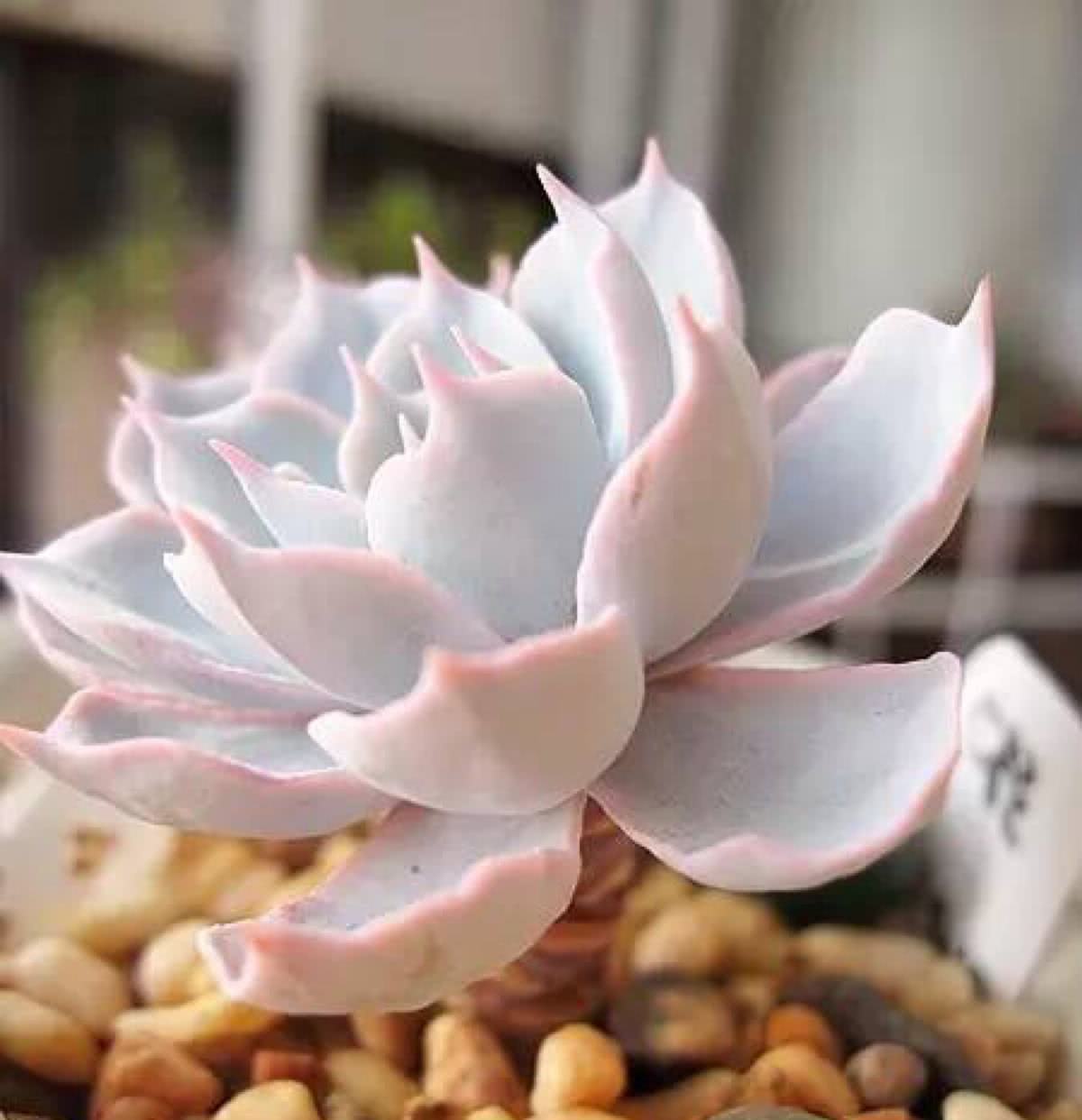
Many friends grow succulents, and as they care for them, the plants stop growing. They do not die, but there is not the slightest sign of activity either. This condition is generally called the stalled seedling state. Stalled growth is not dormancy; rather, at this point the succulent's roots are damaged and cannot normally absorb water and nutrients. So how do you solve this situation?
The methods for solving stalled growth in succulents are, first, repotting, and second, transplanting the seedlings. The most commonly used is repotting. It varies from person to person: some repot once every six months, some once a year, and some once every two years. Note that repotting once every two years is already very lazy - you cannot be any lazier than that.
During the process of repotting succulents, look for problems. If it has been planted for less than a year and you find when repotting that the soil has become compacted, it means the soil you used compacts too easily. It could also be that the salt content in your water is too high - make appropriate adjustments. If you find when repotting that the succulent has too few fibrous roots, it may be that your watering rhythm has not kept up with the succulent's growth rhythm at all. If there are many fibrous roots and they grip the soil firmly, it means you are growing it very well and have found the method. There is also one last situation: if you find root rot when repotting, you need to cut away the rotten roots immediately - there may still be a chance to save it.
The most important step before repotting a succulent is root trimming. Trim away all the old, aged and dried fibrous roots, and only then will new roots have a chance to grow. New fibrous roots can provide the plant with more water and nutrients, so repotting is a great opportunity for a succulent to burst into growth again.
After trimming the roots, let the wounds dry, and then you can plant it in moist soil. It is best to replace the soil in the pot with new soil. Many people are reluctant to throw away the old soil. At this time you can ask yourself: is the succulent expensive, or is the soil expensive? After potting the succulent, do not rush to water it immediately. When the soil is slightly moist, the plant actually roots faster. After about 7~10 days, you can water it thoroughly once, and keep it in a place with bright light but no direct sunlight. Have you got the little tricks for repotting succulents?