What to do when gardenia leaves turn yellow: a few simple tricks to fix it
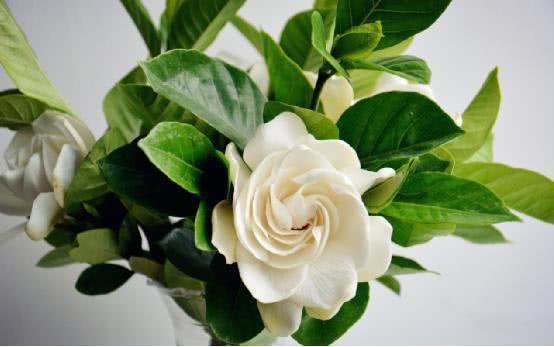
Lush green branches and leaves, snow-white petals! You have to admit, in May as the temperature keeps rising, growing a few elegant gardenias and savouring them slowly really can calm your mind a little and let you enjoy a refreshing feeling you have not felt for a long time. But anyone who has grown gardenias probably knows that yellowing leaves are something many beginners often run into during the growing period. So how exactly should you deal with it? Without further ado, keep reading.
Reasons for the yellowing The beauty of the gardenia lies in the fact that it blooms at the turn of spring and summer, with flower buds just appearing, white and green intermingled, resembling carved jade and with a rich fragrance. So yellowing branches and leaves not only greatly diminishes the beauty, but is also bad for the plant itself and is not conducive to growth.
So what causes it? Actually, there are many reasons. Most are due to poor growing technique, which causes an imbalance in water, light, fertiliser and other aspects during the gardenia's growth, making the leaves turn yellow and wither, and in more serious cases even causing the death of the whole plant. In short, there are two simple sides: either a lack of nutrients, or an excess of nutrients!
So what exactly should we do?
Repotting: If you have just bought a gardenia, then repotting is a must. Repotting can effectively prevent the potting soil from becoming alkaline, and at the same time, dealing with diseased roots, diseased branches, pest-infested roots and dead roots during repotting can also help the remaining healthier roots and stems get a better growing environment. Repotting is generally done once a year, and the preparation is very simple: usually just stop watering for about 10 days. During repotting, you need to tap the pot to remove the plant. It is simple, easy to learn and easy to master.
Light: The gardenia has relatively strict light requirements. Both very strong and very weak light can cause yellow, withered leaves, so it needs to be treated differently. In spring and autumn, in order for it to take in enough sunlight, it needs at least about 8 hours of light per day, otherwise it is bad for its growth and development and for overwintering. In summer, however, you need to avoid strong midday sun exposure; usually it should be kept in a place with indirect light. After winter begins, it can be placed indoors in a south-facing spot.
Fertilising: Generally speaking, the gardenia is not a flower that particularly likes fertiliser, but because it grows vigorously and the nutrients in the potting soil are limited, it needs appropriate supplementary fertiliser during the growing period. Usually, apply cake fertiliser once every ten days; for mature plants, add sesame paste residue once each in mid-June and mid-August, 0.5 to 1 liang each time, crushed and thoroughly mixed with the surface soil. Of course, fertilising also has its rules: for example, watering should be stopped the day before, and on the day of fertilising you must water thoroughly once.
Watering: Yellowing leaves caused by watering problems in gardenias can usually be divided into two types: "water yellow" and "drought yellow". The former appears dark yellow and lustreless; you can take the plant out of the pot, place it in a ventilated, shady spot to dry, and then put it back in the pot. The latter's yellowing is accompanied by withered, dry leaf tips or leaf edges. If this happens, you need to remove the withered leaves and make sure to water enough and water thoroughly.
The above are three methods for dealing with yellowing gardenia leaves. As long as you make sure repotting, fertilising and watering are all done right, your gardenia is sure to become the most beautiful one among thousands of flowers.