Growing these 3 plants in spring: get the method wrong and yellow leaves, root rot and a quick death follow
Fiddle-leaf fig
What should you do when the leaves of a fiddle-leaf fig develop "rust spots"?
1. The fiddle-leaf fig likes warmth, and its suitable growing temperature is 25-35°C. If the temperature is too high and it is left in the light for a long time, the rust spots will increase, especially on new leaves.
2. Gardening friends in the south are advised to place the fiddle-leaf fig somewhere indoors with scattered light, such as the living room.
3. On the contrary, gardening friends in the north should increase the light, otherwise rust spots are also likely to appear.
How do we normally care for a fiddle-leaf fig?
1. The soil for growing a fiddle-leaf fig can be mixed from nutrient soil, coconut coir and perlite in a 2:1:1 ratio to ensure good drainage and aeration.
2. The fiddle-leaf fig has fairly high water requirements, and with summer about to arrive, the watering frequency will change somewhat. By observing the state of the soil, if the surface turns white and cracks appear, then it definitely needs watering. Gardening friends, please judge according to your own situation.
3. When fertilizing a fiddle-leaf fig, do not lean toward nitrogen fertilizer, as this will lower its resistance. You can apply a compound fertilizer: dig a small hole in the soil surface, bury 2-3 granules, once a month. Do not apply in winter.
4. If you want the fiddle-leaf fig's branches to become thicker and its leaves to grow better, pay attention to pinching off the growing tips to promote branch development and the emergence of side buds.
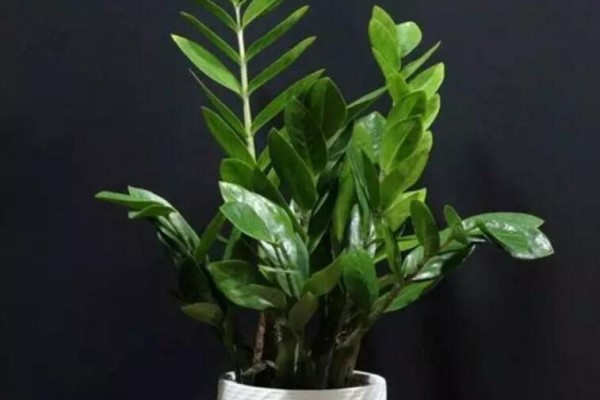
ZZ plant
What should you do when a ZZ plant has yellow leaves and root rot?
1. Yellow leaves and root rot in a ZZ plant are mostly caused by improper watering. The ZZ plant's roots have a strong water-storage capacity and are drought-tolerant, so watering once a month is generally enough.
2. If there is root rot, first cut away the rotten parts, then soak them in a carbendazim solution, put them in a ventilated place to dry, and replant.
How do you care for a ZZ plant?
1. Watering. When the temperature is 5-15°C, watering once every 1-2 months is enough. When the temperature is high in summer, the interval can be shortened. When the air is dry, you can spray water around the leaves to maintain humidity.
2. Fertilizing. The ZZ plant is not strict about fertilizer. In spring and autumn, just apply some fertilizer suitable for foliage plants every two months, such as a 0.1% concentration potassium dihydrogen phosphate solution.
3. Soil. Sandy soil with good drainage is preferable, and it can be mixed from leaf mold and river sand in a 1:1 ratio.
4. Placement. The ZZ plant is fairly shade-tolerant. Generally, place it in the living room somewhere with scattered light, away from air-conditioning vents.
Radermachera sinica
What should you do when the leaves of a Radermachera sinica wilt?
Some gardening friends say that a week after buying a Radermachera sinica, its leaves start to droop, with no energy at all and no sense of "happiness" whatsoever!
1. The main reasons for wilted leaves on a Radermachera sinica are soil that is not aerated and does not retain water properly, and improper watering.
2. A newly bought Radermachera sinica should be watered promptly to stabilize its roots. When dry indoor air causes it to lack water and wilt, do not water too much at once; increase the amount of water gradually so it can adapt to the environment.
3. A poorly mixed potting soil easily causes the soil to compact, affecting the roots' ability to absorb water. Generally, potting soil can be mixed from leaf mold and river sand in a 1:1 ratio.
How do you care for a Radermachera sinica?
1. Light. The Radermachera sinica likes warmth, so it can be placed on a south-facing balcony. But if your Radermachera sinica has always been kept in the living room, do not rashly move it outside to receive strong sunlight, as it easily gets sunburned and develops yellow leaves.
2. Fertilizing. The Radermachera sinica is not very tolerant of fertilizer, and too much fertilizer easily makes the leaves crinkle. If you want it to grow quickly, you can apply 2-3 granules of compound fertilizer each month in spring. In autumn, you can apply some phosphorus and potassium fertilizer to improve its ability to overwinter.
3. Watering. If you really do not know how to water, just water whenever the soil is dry, and that will keep the plant alive.
Alright, that is all from Huahua for today.
Gardening friends, if you have any other problems with the plants at home, you can all bring them up.
Huahua will give everyone answers~