Grow these 5 flowers at home and save a good amount on medicine
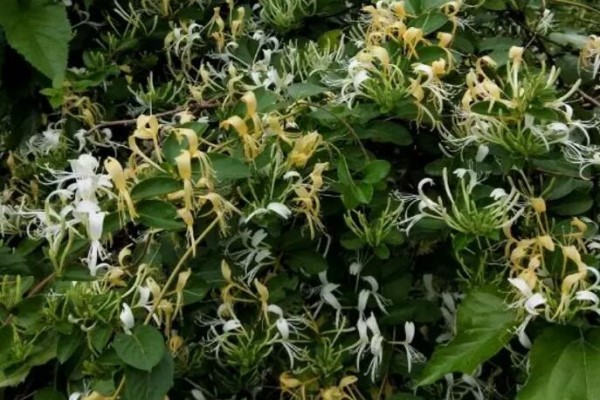
Japanese honeysuckle
Benefits: Japanese honeysuckle (Lonicera japonica) is a fairly ancient Chinese herb. It is sweet and cold in nature but does not harm the stomach, and it suits all kinds of heat conditions. It is a fine remedy for clearing heat and detoxifying, so you can try it for internal heat, fever, sore throat, and swollen, painful gums.
Identification: You must be able to tell Japanese honeysuckle apart from the flower of Gelsemium elegans - one is a Chinese herb, the other is a poison!
Care: Japanese honeysuckle is a traditional plant in our home gardens and is not fussy about its environment. It propagates easily from cuttings, and in normal care you just water it once the soil is dry. Within half a year it will climb the wall.
Gardenia
Benefits: The flowers, fruit, and leaves of gardenia (Gardenia jasminoides) can all be used as medicine. It is cold in nature and is used to clear the liver and brighten the eyes, clear heat and drain dampness, and purge fire and relieve restlessness. It has some effect on restlessness from febrile disease and damp-heat jaundice.
Care: Quite a few flower lovers grow gardenias, and the main problems are yellowing leaves, leaf drop, and bud drop. Let's talk about these problems.
1. Overwatering
Watering too much or getting rained on can both cause yellow leaves. The old leaves start turning yellow, but the veins of the yellow leaves are still green. At this point stop watering at once, pick off the yellow leaves, let the plant rest for two days, then water normally again.
2. Iron deficiency
Gardenias are very prone to iron deficiency. Iron-deficiency yellowing starts with the young leaves at the top. At this point you can water with a little ferrous sulfate solution (ferrous sulfate to water at a ratio of 1:500), or use the water left after scrubbing an iron wok to water the plant.
3. Fertilizer burn
Newly bought gardenias are prone to fertilizer burn, which starts with the tips turning black and withering. At this point cut off the dead, damaged parts, stop adding fertilizer, water normally, and the plant should recover in 5-10 days. In severe cases you can just change the soil.
4. Root rot
Root rot in gardenias is more troublesome, causing large areas to dry up and buds to drop. At this point dig the plant out at once, deal with the rotted roots, let it dry, and replant it.
He Shou Wu
Benefits: He Shou Wu (Fallopia multiflora) has the effect of nourishing essence and blood, promoting hair growth, darkening the hair, and strengthening the sinews and bones, and it often appears in tonic medicines.
Care: He Shou Wu's shape makes it very suitable for bonsai growing. If you want to grow a He Shou Wu with an antique, textured look, you need to pay attention to a few points.
1. Planting
He Shou Wu grows slowly, so choose a fairly small, shallow pot, and ordinary garden soil is fine. When planting, more than half of the root should be exposed above the soil surface so the root can breathe fully.
2. Light
He Shou Wu likes a warm, humid environment. It is best placed in a semi-shaded spot, with just a little scattered light.
3. Watering
He Shou Wu likes moisture and can also be grown hydroponically. If grown in soil, water once every 2-3 days, but do not water too much, to avoid soggy soil and root rot. You can also mist it often with a spray bottle to keep the air humid.
Hangzhou white chrysanthemum
Benefits: Chrysanthemum tea can be said to be a household staple, and it is generally made by drying Hangzhou white chrysanthemum. Besides clearing heat and reducing internal fire, it also nourishes the liver and brightens the eyes, and nourishes the lungs and promotes body fluids.
Identification: Flower lovers need to tell Hangzhou white chrysanthemum apart from other small white chrysanthemums, to avoid picking the wrong one.
Care: Ordinary garden soil is enough to grow Hangzhou white chrysanthemum. It is not demanding about water, so just water once the soil is dry. It likes light, so it is best grown outdoors or on a south-facing balcony.
Dendrobium officinale
Benefits: The flowers and stems of Dendrobium officinale can both be used as medicine. It has the effect of nourishing yin and reducing internal fire, and is used for conditions such as fever in children, toothache from deficient fire, and red, swollen, painful eyes. It is a very ancient folk-specific remedy.
Care:
1. Soil
Spread granules, broken tile pieces, and the like on the bottom of the pot. For the potting soil, mix garden soil with leaf mold, crushed wood shavings, and so on. Bury the dendrobium in gently; dendrobium is fairly light, so you can place stones on top to keep it balanced.
2. Watering
Dendrobium likes moisture. Water once every 1-2 days, or mist it every day, to keep the air humid.
3. Light
Dendrobium likes shade, so do not put it somewhere with direct sunlight. In winter, take care to keep it warm in low temperatures. Dendrobium is a southern plant and is not cold-hardy.
4. Harvesting
When taking the rhizome, just cut it off directly, leaving 2-3 cm above the roots, and it can keep growing. Dendrobium blooms in June-July, and after blooming you can pick the flowers, dry them, and brew them as tea.
So these ordinary flowers can actually be used as medicine
What other "medicinal herb" flowers do you flower lovers have around you
Be sure to share them a lot