How can you care for a tree stump bonsai so it takes shape early? These care methods must be mastered
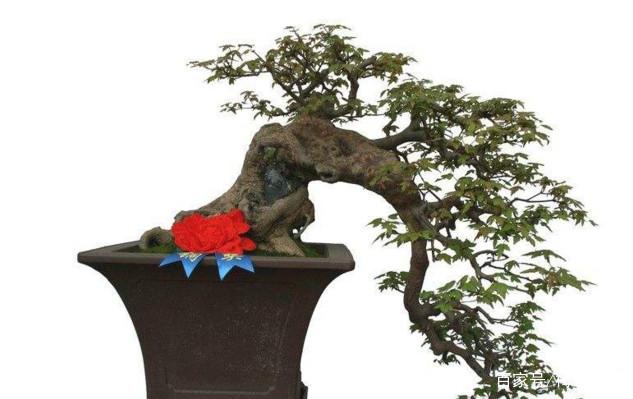
After a tree stump bonsai has made it through the harsh winter, early spring is warm yet cold, and activity in the pot begins. The work that needs to be done: pruning, loosening the soil, fertilizing; repotting can also be done in early spring.
Pruning is the main task of spring management, because after early spring the tree sprouts vigorously after spring, and new shoots can sprout on the non-bud branches of evergreen trees, forming new branches and strong shoots, which can stimulate PHY. The ecology of the tree. In other seasons, the effect of pruning is not as fast as after spring. 1-2 year old stumps can have useless branches cut off in early spring, concentrating nutrients on the branches to form a good transition relationship.
In early spring, the loose soil must be made to allow more air to enter the root system, which is beneficial for fat and water to penetrate into the pot soil, balances the effect of fertilizer and water in the soil, and is also beneficial to the activity of microorganisms in the soil.
Timely fertilization in early spring can promote tree growth and development, early waking, dormancy, and entering the growth and development period as soon as possible. It can also increase soil fertility and create conditions for spring and summer growth.
Tree stumps should be worked on in early spring at temperatures above 15 degrees. Early spring is the best time for grafting tree stumps, changing tree species, and changing male and female tree stumps. Seize the season, seize the opportunity and continue, and the survival rate is high.