Potted Camellia Transplanting Methods and Key Technical Points
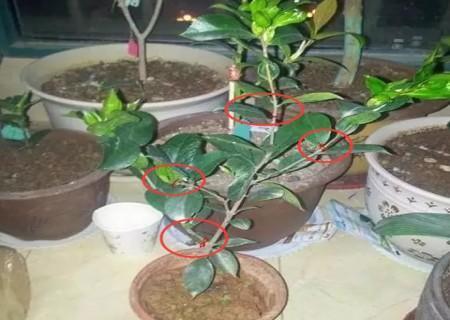
Many gardening friends often feel there is nothing particularly critical about transplanting young camellia plants, thinking it is fine to just follow general transplanting methods. In fact, it is precisely because people are too casual about transplanting camellias that transplanting often fails. This is because many gardening friends overlook one important step. In addition to transplanting camellias at the right time, what matters even more is pruning before transplanting.
The parts circled in red in the image above are the parts that need pruning
For transplanting young camellia plants, the best period is after the plant's vegetative growth stops and before the axillary buds of the plant begin to sprout the following year. Transplanting during this period makes it easier for young plants to survive. For beginners, it is generally not recommended to transplant when the plant is sprouting new leaves, because transplanting at this stage makes it hard to get the timing and degree of handling right; during the new leaf growth period, nutrient consumption is very high, and poor handling will lead to transplanting failure.
The image above shows the state after pruning
So how do you transplant potted camellias? Below, the editor will explain the transplanting techniques for young camellia plants. The key points are as follows:
1. Examine the young plant as a whole and observe its basic outline, especially for large seedlings.
2. Before potting and planting, prune off the relatively thick and sturdy branches.
3. Transplant the young plant with the thick branches pruned off into a pot.
4. Prune off the inner branches and other small, thin branches of the young plant.
5. After pruning off the above branches, water it once, and do not prune again after watering.
By taking the above measures, you can not only reduce the amount of water evaporated from the leaves of the young plant, but also maintain a good plant shape, which is more conducive to the plant's growth and sprouting.