What are the daily care precautions for patients with pulmonary fibrosis?
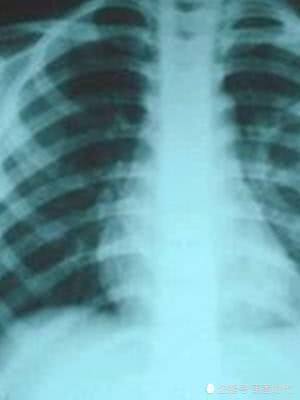
In the early stages of pulmonary fibrosis, there are no obvious symptoms, but when it develops into severe pulmonary fibrosis, patients may need to breathe through the mouth, sweat a lot, and eat less. Because there is no nasal filtration and humidification, not only will there be obvious reactions, but it is also easy for more water to be lost during exhalation, along with coughing up phlegm and so on, and the body loses a lot of water, so one should drink more water to replenish fluids and help phlegm be coughed out. However, if heart failure is already present, water intake should be moderate.
Chest X-ray of pulmonary fibrosis
In patients with mid-stage pulmonary fibrosis, systemic symptoms such as low appetite and weight loss may appear, so attention should be paid to eating more high-quality protein, high-calorie, and vitamin-rich foods, such as dairy products, eggs, lean meat, brown rice, buckwheat noodles, animal liver, cornmeal, wood ear mushrooms, kelp, mushrooms, nori, and so on, as well as fresh fruits and vegetables. Attention should also be paid to reducing the burden on the body. Smoking and alcohol and overly salty foods should be avoided, and spicy, raw and cold foods, fried foods, and sweet foods should be eaten with caution.
Seafood such as fish, soft-shelled turtle, shrimp, and crab is prone to causing allergies and triggering pulmonary fibrosis, especially in people with an allergic constitution; frequently eating seafood and so on can also easily induce pulmonary fibrosis. Improper diet can also easily lead to worsening of symptoms such as cough, phlegm, and wheezing in patients with pulmonary fibrosis. Patients with very severe pulmonary fibrosis need to be given semi-liquid food. Otherwise, shortness of breath can easily cause difficulty in chewing or swallowing; semi-liquid food is also easier to digest and can help prevent food reflux.
Fibrotic lung
Interstitial pneumonia is the precursor to pulmonary fibrosis, so attention should also be paid to diet and daily life, and more protein-rich, nutritious foods should be eaten. Patients with interstitial pneumonia should exercise appropriately to enhance immune resistance, which is beneficial for recovery. Of course, what is even more important is the subjective initiative of the mind and psychology; a positive and upbeat mindset is the guarantee of recovery.
If you have any questions or need help, you can call 01062170649 13269852331