These potted plants are suitable for the bedroom; they purify the air and can also improve sleep quality
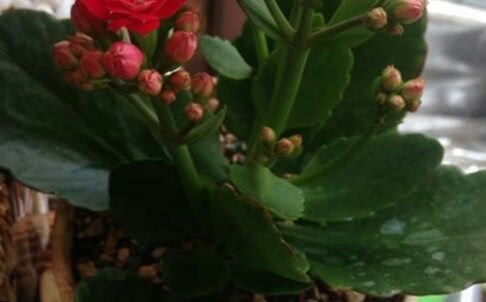
The bedroom is a place for rest and one of the places where we spend the most time in our lives, and it is of great significance to our health. Therefore, when it comes to the furnishings in the bedroom, we should choose things that promote sleep, and the same goes for choosing potted plants. In fact, not all potted plants are suitable for placing in the bedroom; you should choose those that can purify the air, release oxygen and improve sleep quality, such as kalanchoe, cactus, aloe and ivy. They can not only decorate the bedroom environment, but also improve sleep quality. So, below we will introduce these potted plants suitable for placing in the bedroom, let's take a look together! We hope it can help everyone.
Kalanchoe
I. Kalanchoe
The reason kalanchoe is placed first here is that it combines ornamental value with environmental benefits. Not only does it bloom beautifully and add a touch of vitality to the bedroom, but more importantly, it can carry out Crassulacean acid metabolism photosynthesis, with the result that it can also release oxygen at night. The increase in oxygen concentration in the bedroom at night can help improve sleep quality. In the process of caring for kalanchoe, it must not be grown in sticky, heavy soil, otherwise it will lead to poor growth, root rot and leaf drop, and in severe cases cause the plant to die. The potting soil should be mixed with 4 parts leaf mold, 4 parts garden soil, 2 parts river sand, plus a small amount of bone meal. This growing medium is loose and fertile, has good drainage, and shows a slightly acidic reaction, which is favorable for root development; like other succulent flowers, kalanchoe contains a relatively large amount of water in its body and has strong drought resistance, so it does not need a large amount of watering. During the growing period, it is enough to water thoroughly once every 2-3 days and keep the potting soil slightly moist. When the temperature is low in winter, watering must be controlled even more. If watered too much, drainage is poor, and the potting soil is too wet, it easily leads to root rot.
Cactus
II. Cactus
Like kalanchoe, cactus can also release oxygen at night. In addition, it can absorb formaldehyde and tiny particles in the air, purifying the air, so it is very suitable for placing in the bedroom. However, note that its surface has sharp spines, so be careful when caring for it to avoid being pricked. In the process of caring for cactus, it requires plenty of sunlight, but in summer it must not be exposed to strong direct sunlight and needs appropriate shading. For indoor cultivation, you can use light irradiation to make it grow vigorously; as for the timing of watering, summer is best in the early morning, winter should be done in the morning of clear days, and in spring and autumn both morning and evening are fine. Under normal circumstances, do not pour water from the top, otherwise after a long time the body will have ugly spots. Under normal circumstances, watering must be sufficient, and for this reason the soil must be loosened frequently so that the potting soil can easily absorb enough water evenly. Summer is the growing period for cactus, with high temperatures and a large water requirement. It must be watered fully, preferably in the early morning or evening when temperatures are low; at noon when it is hot, watering easily causes burns to the body. In the hot, plum rain season, watering should also be appropriately moderated. For those cacti with a depression at the top, be careful not to pour water into the depression, so as to avoid causing rot, and even more care should be taken when watering in the evening.
Aloe
III. Aloe
Aloe is a household name as a purification expert, and it has a very good cleaning effect on some harmful gases in the air, such as carbon monoxide, sulfur dioxide and formaldehyde. In addition, it can also kill some harmful microorganisms in the air. Placing it in the bedroom can improve the air quality in the room and give people a comfortable rest environment. In the process of growing potted aloe, watering is a very important step. In spring, when the temperature is 15-25°C, the frequency of watering can be appropriately increased, generally once every 5-7 days, following the principle of not watering when the soil is not dry and watering thoroughly when it is dry, so that the potting soil alternates between dry and moist; in summer the temperature is higher and evaporation is greater, so it needs to be watered once every 2-3 days. In addition, in the morning and evening each day you can spray water on the aloe leaf surface, which can keep the aloe leaves emerald green and increase their ornamental value. In summer, when growing potted aloe, also be careful to reduce exposure to the scorching sun, so as to reduce the loss of water from the potting soil and the plant.
Ivy
IV. Ivy
Like aloe, ivy is also an expert at purifying the air environment, and its ability to absorb formaldehyde is especially outstanding. Placing it in the bedroom can effectively improve the air environment in the room. In addition, ivy grows very fast and is very convenient to prune and shape, and it matches well with bedrooms of various styles. Ivy is relatively simple to care for. During the growing season, watering should follow the principle of watering when dry and not when wet, and the potting soil must not be allowed to become excessively moist, otherwise it easily causes root rot and leaf drop. In winter, when room temperature is low, watering must especially be controlled, and it is enough to keep the potting soil slightly moist. The winter climate in the north is dry, so it is best to spray and wash Duchuan once a week with clean water close to room temperature to maintain air humidity, so that the plant looks lively and the leaf color is tender green and glossy; at the same time, ivy likes light and is also relatively shade-tolerant. Grown under semi-light conditions, its internodes are shorter, the leaf shape is consistent, and the leaf color is vivid, so it is suitable for growing in a bright indoor location.