Put these wastes in the gardenia flower pot and it won't turn yellow for ten years; the leaves will be green and glossy, and the flowers will be many and big
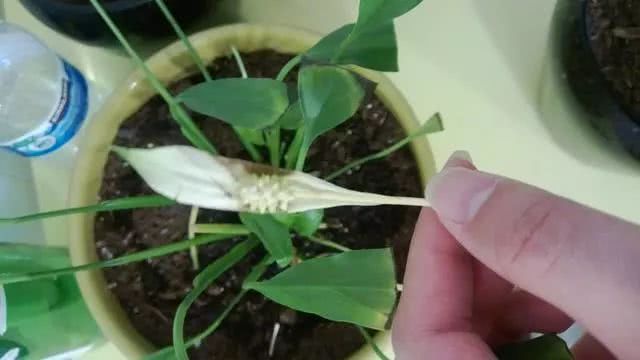
Garden friends have all encountered this kind of problem: you water the flowers normally and give them normal sunlight, so why are the flowers always wilted and listless? I heard it was a root problem, and I was stunned at the time. What should I do? Don't worry yet, let me tell you a good method!
Signs of root rot in flowers:
Most garden friends have encountered this: the leaves of the flowers grown at home turn yellow, the leaves fall, flowers and buds drop, and the plant wilts. This situation is really too common! Many garden friends dare not believe that these are the warning signs of root rot!
Causes of root rot in flowers:
The causes of root rot in flowers are very common. Everyone, take a look and see whether you have this situation:
1. Water accumulation in the flower pot
Watering too much is the most direct cause. Some garden friends are really too diligent; when they have nothing to do, they carry a watering can around and water the flowers, watering today and watering tomorrow. The flowers are already full to bursting and still haven't used it all up, so the leftover water soaks the roots in the pot. It would be strange if the roots didn't rot!
2. The potting soil is not breathable
The soil in the flower pot is too dense, and the root system cannot breathe and stretch freely in the soil. It is already stifled enough, and then if you soak it with some water, it becomes even more airtight. Over time, it gets suffocated!
3. Root damage
Many newly bought gardenia flowers show yellow leaves because the roots were already damaged before they came back! The flowers in the greenhouse are all planted in the ground, and the roots go directly into the soil to absorb nutrients. When the plant forms buds and the buds swell, the main root is cut off and the plants are divided into pots for sale, so many gardenias have broken roots when they come back and need to recover slowly! Change the potting soil
4. The plant is not ventilated
Ventilation of the flower pot is the most important point in growing flowers! A ventilated environment helps excess water evaporate, so you don't need to worry about the water left after the flowers have had enough. Some garden friends put it in a corner and don't move it for a long time. They really don't understand the language of flowers!
What should be done after root rot?
The cultivation of bougainvillea, gardenia, rose, jasmine, and so on is roughly the same, so the treatment for root rot is also roughly the same. Let's analyze it specifically below:
1. Signs after root rot
The roots, leaves, and flowers of gardenia show consistent signs inside and out. When the leaves of the plant are withered and listless, the buds wilt and drop, and the leaves turn yellow and also fall, then you have to consider that something has gone wrong with the roots of the plant!
2. Inspection and cleaning
If you think it is root rot, don't hesitate; dig it out and take a look and you will understand. Carefully separate the roots of the plant from the potting soil, and be sure to be careful! You can brush them clean with a bristle brush, or gently rinse them off with tap water. If the roots are white and upright, they are healthy; if they are rotten and black, they are sick. Carefully cut off the rotten roots until healthy roots are exposed, then mix carbendazim with water at a ratio of 1:1000, put the roots of the plant in it and soak for one to two hours, take them out and put them in a ventilated and cool place to dry, then put them into new soil to grow. Remember, it must be new potting soil, because the old soil already contains bacteria and can only be used again after sterilization!
If after taking it out you find that most of the roots are bad, then just cut off all the roots! Then put it in rooting water and soak it, and let it grow water roots. As long as it is a woody stem, this can be done. About one month or so is generally enough.
3. Replace the potting soil
If the root system has rotted, then the old soil already contains pathogens, so changing the soil is the best option. When changing the soil, also change it to loose and breathable soil. Mix leaf mold, vermiculite, and perlite at a ratio of 4:1:1. This is the soil most conducive to vigorous plant growth! After mixing, use carbendazim diluted with water at a ratio of 1:1000, then sterilize the new potting soil too, and use it after it has dried until half-dry.
4. Light
After the plant is replanted, water it thoroughly and put it in a ventilated and cool place. Remember that it must not be exposed to strong direct sunlight. After about 5-8 days, the seedling will recover. After it has recovered, give it appropriate sunlight.
To avoid root rot, remember firmly:
1. The potting soil must be loose and breathable
This point is very important! Leaf mold, vermiculite, perlite, and sand grains are very good for potted plants. After mixing, they are both nutritious and loose and breathable, and are very suitable for plant growth. After mixing, it is better to sterilize them before use.
2. Put a little of this at the bottom of the flower pot
Put some broken bricks and nut shells at the bottom of the flower pot to drain water and also prevent the soil from compacting. This is a little trick! But be sure to remember that absolutely do not use salty fruit shells! These wastes, when reused, have an excellent effect
3. Water reasonably
Remember one sentence when growing flowers: if the soil is not dry, do not water; when watering, water thoroughly. Remember it firmly, and it will surely help! If you are not sure enough about whether it is dry or not, before watering you can insert a bamboo stick into the soil, leave it for a while and then take it out to check. If the bamboo stick is relatively dry, then it is short of water. If the bamboo stick is relatively moist, then there is no need to water again. This method is very practical.
4. Ventilation
The vast majority of flowers like a well-ventilated environment. If you grow flowers, you must care for them and give them a place suitable for growth. The plant will be spirited, growing lush and green, and the flowers will grow happily, and we will feel comfortable looking at them too!
Gardenias cared for in this way will not turn yellow for ten years, the leaves will be glossy green, and they will bloom abundantly and large, and be especially fragrant