Rice "sitting-back" (stunted growth) severely affects yield; only by understanding the causes can you treat the problem correctly
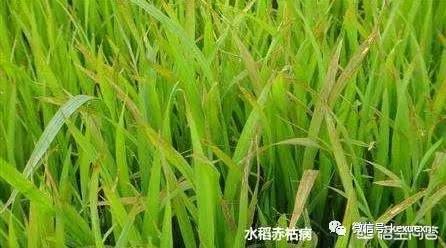
Rice "sitting-back" is what farmers often call rice akiochi (red blight disease), and some also call it "stiff seedling" or "fire wind". Once rice develops sitting-back, it causes very obvious yield reduction, which is also an extremely headache-inducing problem for growers, so understanding the causes of rice sitting-back clearly and doing a good job of prevention is very important. Here Science Xingnong shares with everyone the issue of rice sitting-back.
1. The harm of rice sitting-back
The most direct impact of rice sitting-back is yield reduction. The size of the yield reduction depends on the situation of the rice sitting-back, generally around 10% to 20% of yield reduction, but if encountering a relatively severe case of rice sitting-back, the yield reduction can reach as high as around 50%. It can be said that the harm of rice sitting-back is extremely great. However, the specific causes of rice sitting-back are very diverse and relatively difficult to research, so researchers still need to continue their efforts.
2. The characteristics and causes of rice sitting-back
Rice sitting-back also has some rather vivid names: fire wind, rust disease, scalded seedling, etc. In fact, from these names we should be able to see that rice with sitting-back turns rust-colored, as if it has been burned. Actually, the situation of rice sitting-back is relatively easy to identify. Rice with sitting-back generally shows stiff seedlings, rice leaves standing in clusters, rust-colored spots appearing on the leaves, slow tillering, short and small plants, and aged roots.
Regarding the causes of rice sitting-back, there are currently mainly three explanations: 1. nutrient deficiency, 2. low-temperature cold damage, 3. water-quality poisoning. However, these three situations may appear simultaneously in rice, bringing great difficulty to the prevention and control of rice sitting-back.
(1) Nutrient deficiency. Rice with nutrient deficiency is generally caused by a lack of potassium in the rice field where it is planted, leading to a deficiency of potassium during the rice growth process, which then leads to poor growth. It generally appears two weeks after rice seedling transplanting, usually first showing scorched tips and spots on the rice leaves, with leaves small and narrow, roots thin and short, and root hairs easily falling off. After this situation appears, potassium fertilizer should be supplemented to the rice field in time, and plant ash, potassium sulfate, etc. should be sprinkled in time. In addition to potassium deficiency, rice may also experience zinc deficiency and phosphorus deficiency. For these situations, growers also need to supplement fertilizer in time, for example, for zinc deficiency, supplement zinc sulfate fertilizer in time.
(2) Low-temperature cold damage is mainly due to insufficient sunlight in the rice-growing area, or more covering on the water surface, and also reasons such as abundant rain in the rice-growing area, or a long plum rain season. This leads to underdeveloped rice roots and poor ability to absorb nutrients. Rice leaves turn yellow, and pointed brown spots appear at the leaf tips. For this situation, drainage and field drying should be done in time to increase soil temperature, drainage should be done in time on rainy days, and more strong seedlings should be raised during the seedling period to increase the cold resistance of rice seedlings.
(3) Water-quality poisoning. This kind of rice field generally has a lot of silt, poor water quality, and soil fertilizer that has not completely decomposed, causing more toxic substances in the soil, such as relatively high contents of ferrous iron, methane, etc., seriously affecting the growth of rice seedling roots. It may even cause the rice seedling roots to rot, and the water quality gives off a foul odor. Rice seedlings show stopped tillering, upright plants, and leaves changing from green to yellow. For this situation, it is necessary to drain and dry the field in time, sprinkle lime, improve soil aeration, etc.
3. Prevention
In fact, the best way to deal with rice sitting-back is to do a good job of prevention. During the seedling period, raise more strong seedlings to increase the cold resistance and disease resistance of rice seedlings. In addition, do a good job of silt removal and drainage in rice fields, irrigate reasonably, fertilize reasonably, and increase soil aeration. For rice fields where sitting-back often occurs, carry out soil improvement, and a rotation system combining paddy and dryland cultivation can also be adopted.
The above answer about rice sitting-back comes from Science Xingnong, and I hope it is helpful to you.