Five plants that help with sleep, and how you use them matters a lot
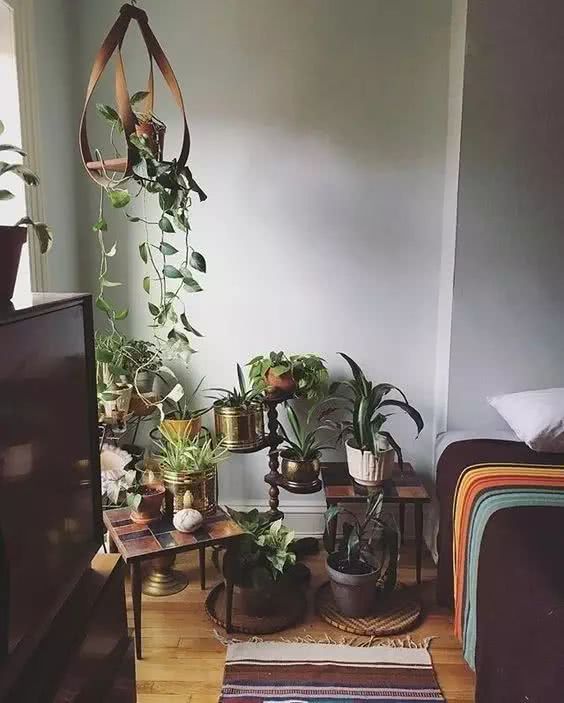
I keep seeing articles claiming certain plants can help you sleep. Is that really true? Actually, going for a light jog before bed is the most effective thing, and other options like reading a book before bed work too, but few people stick with them. Below are 5 plants that help with sleep.
(Bedrooms are actually not suitable for keeping too many green plants, especially for people with respiratory conditions, because most plants carry out respiration at night.)
1. Mugwort
It can be grown on a windowsill to freshen the indoor air, which is good for the environment, and it is easy to care for. It likes ventilated spots with indirect light, and you water it when the potting soil is dry.
The scent of mugwort really does help calm the mind and thus achieve a sleep-inducing effect, but it is not suitable to place several pots of plants in the room. The right approach is to put one or two picked mugwort leaves in the bedroom.
2. Lavender
Believe it or not, lavender's sleep-inducing effect is widely recognized. Its fragrance calms people and is soothing to smell, and many people spray essential oil extracted from lavender in their rooms, which also helps with sleep.
(Dried lavender flowers)
But placing a few pots of lavender indoors is not very suitable either. Never mind that they carry out respiration at night and release carbon dioxide; they are also hard to care for. They like cool environments, so where do gardeners grow them well? The right approach is to put some dried lavender flowers beside the bed.
3. Mint
Mint has a natural fresh fragrance. Of course, there are so many varieties that you need to pick the right one. Common ones like peppermint, spearmint and bee balm are all good choices.
Things made with mint also have a sleep-inducing effect. For example, if you brew a little mint tea yourself, the amount must be small and the concentration low, so that it helps you sleep. If you add too much, you can forget about sleeping.
4. Bergamot
This citrus is very unusual. Its peel is in segments, like the hand of Buddha, and it has a very light, sweet fragrance that also helps with sleep and appropriately relieves mental tension. This is actually the fresh scent of citrus, just a bit better.
Just put two fruits beside the bed; there is no need to grow several pots of bergamot in the house.
5. Aloe
Although aloe has no scent, it can release oxygen at night, even if the amount is negligible. Although ball cacti can do this too, they are spiny and not suitable for families with children to care for.
Many succulents in the Crassulaceae family also release oxygen at night, such as Echeveria, but succulents are not suitable for growing indoors and will not survive, so cacti barely count as one.