How to grow potted pomegranate flowers? Detailed four-season care tips
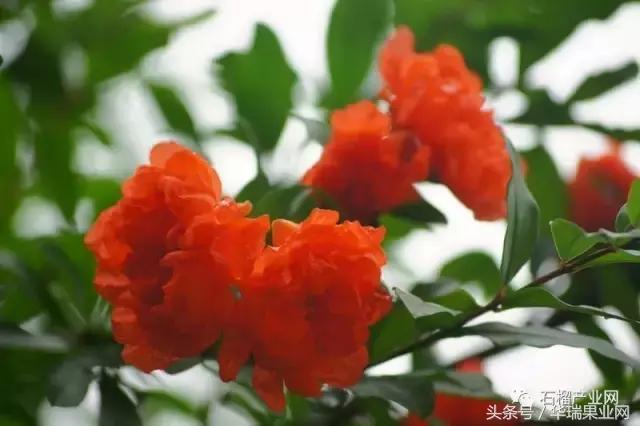
Pomegranate flowers are valued both for their blooms and their fruit. Small pots are used for windowsills, balconies and indoor displays; large pots can be used to decorate public places and exhibitions. They are one of the currently popular potted plants and are widely loved by city residents. Growers say the year-round care of pomegranate flowers is not easy. According to the growth habits of pomegranate flowers, the care work differs in each season, and water and fertilizer management must be done well. Only in this way can the survival rate of pomegranate flowers be improved, allowing them to grow healthily with abundant branches and flowers.
Spring
In spring, methods such as cuttings and layering are usually used to plant pomegranate flowers. It is best to choose fertile, loose, well-draining soil and place them in a spot with plenty of light. Pomegranate flowers need one watering each before and after sprouting. Generally, at 20-25°C, they will take root and sprout in about 20 days, and once they are growing vigorously, appropriate fertilization is enough.
Summer
Pomegranate flowers tolerate high temperatures, so in summer they can be placed in a spot with light for growing. Because the weather is hot and water evaporates heavily, the amount of watering will be greater than usual, watering once a day. Also, June to July is the flowering period for pomegranates. When watering pomegranates, do not spray water on the leaves or around them; a dry environment should be maintained, otherwise it easily causes poor pollination and few fruits. In addition, the rainy and hot summer is prone to pests, so insecticides can be used appropriately to prevent pests from harming the pomegranate flowers.
Autumn
September to October is the fruiting period for pomegranate flowers, and the fruits produced are red and attractive. During this period, attention should be paid to adjusting the light. The pomegranate pot can be moved to a bright place to strengthen photosynthesis and promote fruit growth. After the pomegranate flowers finish fruiting, gradually reduce the amount of watering, generally watering once every 2-3 days, so that they enter the dormant period.
Winter
In winter, pomegranate flowers formally enter the dormant period. At this time, cold protection measures need to be taken for the pomegranate to prevent its roots from freezing. It can be placed in a closed balcony at around 0°C to overwinter, and the potting soil should be kept dry but not parched. During this period, not much fertilizer is needed; watering once a week is enough.