Miniature Bonsai: Aimu Bonsai Plants Nature in the Palm of Your Hand
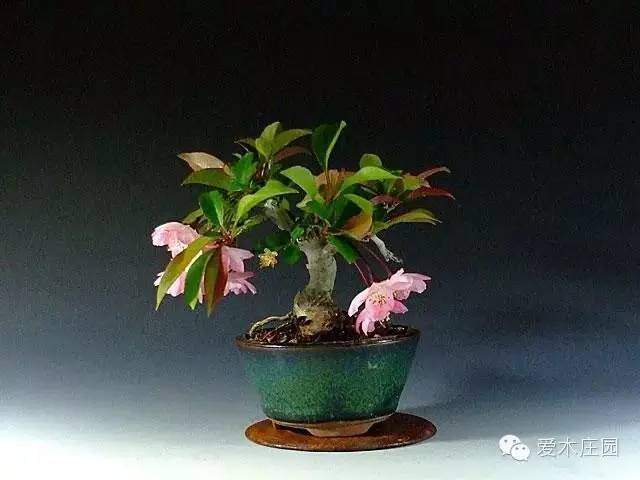
Miniature bonsai should be managed according to the habits of the specific plant. Normally, the small pot can be buried inside a larger pot for cultivation, to avoid water evaporating too quickly because the pot is too small, which causes the branches and leaves to dry up and, in severe cases, even the death of the plant. Promptly prune away branches that affect the shape, to keep the bonsai graceful; normally keep the soil moist but not waterlogged, and apply light fertilizer frequently, to ensure a sufficient nutrient supply and promote robust plant growth. Follow Aimu Bonsai, and play with bonsai together with Aimu. When displaying it for viewing, take it out from the sand bed, wash off the mud and sand on the pot, spread green moss on the pot surface, and shape it appropriately, embellish it with ornamental stones or other bonsai accessories, and place it on a small stand or a curio shelf for viewing. After the viewing period or after the flowers fade, put it back in its original place for care, so it can recover its vitality.
Because miniature bonsai are relatively small in size and do not take up much space, they are very suitable for ordinary households to enjoy. The pots should be small and refined, elegant and rustic; materials include purple clay, pottery, porcelain, stone, and so on.
Shapes include round, cylindrical, rectangular, square, hexagonal, irregular, and so on; the size should suit the size of the plant, and the color should be plain and rustic. Follow Aimu Bonsai, and play with bonsai together with Aimu.
A miniature bonsai does not look impressive on its own, so for a combination, a curio shelf is inevitably needed. Curio shelves come in many shapes, such as rectangular, square, round, flower-shaped, ancient coin-shaped, Follow Aimu Bonsai, and play with bonsai together with Aimu. geometric combination shapes, irregular shapes, and so on, and their colors are mainly plain and natural tones such as dark red, black, and natural wood. The material is mainly wood, including rosewood, boxwood, nanmu, rosewood, jujube wood, elm, and other woods.
Stands are racks used to display bonsai; they include wood, stone, and so on, and their shapes include square, long, round, polygonal, crabapple-shaped, scroll-shaped, and other styles.
Ornaments, also called accessories, refer to decorative items in a bonsai other than the plants and rocks, including figures of literati and scholars such as those playing chess, drinking wine, reading books, and chanting poetry, as well as woodcutters, shepherd boys, and others. Follow Aimu Bonsai, and play with bonsai together with Aimu. Animals such as horses, cattle, deer, and cranes, as well as boats and rafts. Buildings such as various pavilions, terraces, towers, bridges, and pagodas. Materials include pottery, porcelain, stone, metal, wood, and so on.
The best way to approve of Aimu Bonsai -- share,
The best way to support Aimu Bonsai -- follow,
Follow Aimu Bonsai, and play with bonsai together with Aimu.