The variation of 4 precious orchid varieties that orchid growers dream of actually stems from viral infection
The variation of orchids, like the variation of all living things in nature, is very complex. Under natural conditions, the frequency of biological variation is very low. Biological variation is divided into two types: one is genetic variation, and the other is orchid virus variation. Today we share with orchid friends plant viruses and orchid variation.
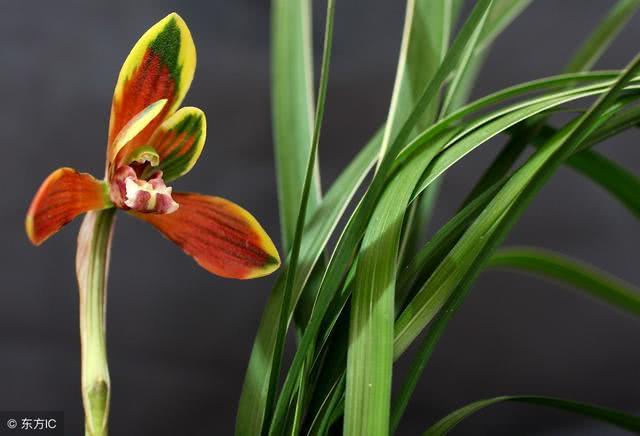
Orchid plants show many manifestations in response to viral attack, with morphological variation occurring. Some variations, such as dwarfing, various mosaic yellowing (albino stripes, spots), toothed leaves, deformities of floral organs, and variation in flower color, can increase the ornamental value of orchids and are what orchid growers dream of.
I. Known orchid viruses
According to reports, plant viruses that infect orchids (including Eupatorium) at home and abroad include: Cymbidium mosaic virus, Cymbidium ringspot virus, Cymbidium mild mosaic virus, Odontoglossum ringspot virus, orchid spot virus, Vanda mosaic virus, Dendrobium mosaic virus, tomato ringspot virus, cucumber mosaic virus, and so on. An old flower friend once told Mumu that he had seen a report in the literature that the rhabdovirus of rice yellow dwarf disease can infect orchids.
II. Manifestations of viral infection in orchids
"Appropriately increasing light, controlling moisture, and raising cultivation temperature for 'leaf-art orchids' can make the 'stripes' more obvious." This is the experience of some orchid growers, and it is also circumstantial evidence indicating that striped orchids may be formed by viral infection. Of course, the existence of the "leaf-art" phenomenon caused by chromosome changes induced by chemicals or radiation cannot be ruled out here.
The symptoms after orchid plants are infected with viruses include:
1. Yellowing virus: The golden edges, stripes, and spots of leaf-art orchids may all be related to yellowing virus. For example, "late expression" means that lines or spots do not appear in the early stage, or are not obvious, and only appear later, because in the early stage the temperature is lower and the virus grows more slowly than the plant. In the later stage, the plant's growth rate slows down, and relatively speaking the amount of virus increase becomes greater, the plant shows symptoms of viral attack, and yellow or white lines or spots appear on the leaf surface. Golden and silver "edges," "stripes," and "spots" vary with season and year: some new shoots have them, some do not; some are good, some are poor; some years they appear, some years they do not, and after a year they appear again. Sometimes "gold turns to silver," that is, golden-yellow lines and spots turn white, and the reason should also be related to an increase in the amount of virus in the leaf tissue.
2. The "Damo" phenomenon. Damo is a precious variety of Cymbidium sinense that once swept Taiwan, China and Hong Kong, China. Damo has various types of leaf and flower changes, which is its special charm. From "green base board" Damo seedlings to cultivating Damo famous varieties with various types of leaf and flower changes requires conditions and skill. A Taiwan, China orchid friend once said he had this skill. In Chengdu we also saw green base board Damo seedlings that had been purchased for tens of thousands of yuan and then returned because they did not produce art.
Cultivating Damo green base board to produce art is a "late expression" type, and should be the disease course of viral disease becoming symptomatic. Its technique may be condition-control methods such as increasing temperature and controlling nutrition. The plant virus causing the yellowing and "art production" of Damo (Cymbidium sinense) is very likely the rhabdovirus pathogen of rice yellow dwarf disease. This type of virus can be transmitted by insect vectors such as leafhoppers. The plant is systemically virulent, can spread through asexual reproduction (division), but seeds cannot transmit the virus.
3. Dwarfing virus: The various dwarf plant groups that appear in some orchid species have opened a new field for orchid appreciation, and dwarf types sometimes also produce strange flowers. Most of these dwarf types should be related to plant dwarfing virus. Cymbidium sinense dwarf types also have "walking dragons," that is, the leaf surface often has longitudinal protruding dark stripes, which is consistent with the deformities caused by viral infection.
4. Toothed leaf virus:
At present, "crystal" among leaf-art orchids is highly valued. Toothed edges are rarely seen. "Crystal" refers to the tip of the orchid leaf appearing transparent. This phenomenon is similar to the toothed leaf phenomenon caused by toothed leaf virus, and should be related to plant viruses.
Dear orchid friends, is there anything you still do not understand about orchid variation? If you also like growing orchids, you are welcome to follow and share, and your comments and likes are also expected. Thank you!