Jasmine is best grown in summer: beautiful and easy to care for, and better at repelling mosquitoes than mosquito coils
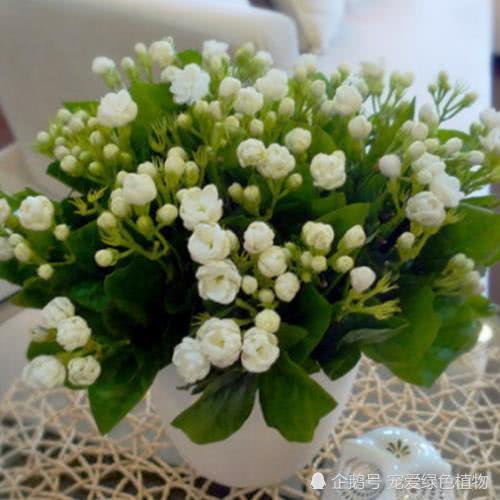
Jasmine is a relatively easy flowering plant to grow, with a fairly long blooming period. It starts blooming around May, has vivid colors, and loves a warm, humid environment with good ventilation and partial shade. Most jasmine varieties are sensitive to cold and drought, and cannot tolerate frost, waterlogging or alkaline soil. Jasmine is extremely fragrant and is a famous raw material for scented tea and an important raw material for fragrances; its flowers and leaves are used medicinally to treat red, swollen, painful eyes, and also have the effect of relieving cough and reducing phlegm. Grown in summer, it can also drive away mosquitoes, with better results than mosquito coils!
Jasmine is a flower that is very suitable for growing indoors. Its fragrance is very delicate and elegant, its leaves are emerald green, and its flowers are pure white. It is generally grown as a potted plant, used as an indoor decorative accent, refined and pleasant. And with summer approaching, friends who are afraid of mosquitoes should especially keep a pot at home. Protecting jasmine is also fairly simple; you just need to do the following few things well!
Light
Jasmine likes hot, humid, well-ventilated environments and needs plenty of light. With strong light, the branches and stems are robust, the leaves are deep green, and there are many fragrant flowers; with insufficient sunlight, the nodes are sparse, there are few flowers, and they are not fragrant. So light is very important for jasmine!
Fertilizing
Jasmine likes fertilizer, especially needing more fertilizer during the flowering period. During flowering, apply liquid fertilizer containing more phosphorus frequently, preferably once every 2-3 days. Fertilizer should not be too concentrated, otherwise it easily causes root rot. During the high temperatures of full bloom, it should be fertilized once every 4 days; it is fine to use plenty of fertilizer and water. Generally, water in the morning, apply fertilizer in the evening, and water again the next day; this helps the jasmine roots absorb it.
If jasmine often shows luxuriant branches and leaves but no flowers during the summer growing period, the main reason is applying too much nitrogen fertilizer, causing excessive vegetative growth of branches and leaves. In this situation, control fertilizer and water, and apply more phosphorus and potassium fertilizer to encourage flower bud formation. At the same time, be sure to move the jasmine to a place with plenty of sunlight and good ventilation.
Watering
Jasmine is not drought-tolerant, but it also dislikes water accumulating in the pot. In the rainy season, promptly pour out any accumulated water in the pot, otherwise the leaves easily turn yellow. On hot sunny summer days, water twice a day, once in the morning and once in the evening. If the leaves are found curling and drooping, spray water on the leaves to promote leaf growth.
Pruning
Jasmine grows very quickly in summer, so prune it in time. To make the potted jasmine plant fuller and more beautiful, promptly cut off the flowering branches after the flowers fade, reducing nutrient consumption. This can also encourage new shoots to grow, making the branches dense, the buds numerous, and the blooms plentiful.
In many countries, jasmine is regarded as the flower of love. Young men and women give jasmine to each other to express steadfast love. It also serves as the flower of friendship, passed among people.