Succulent potting soil easily compacts? Change your watering method and the roots will fill the pot in a few days
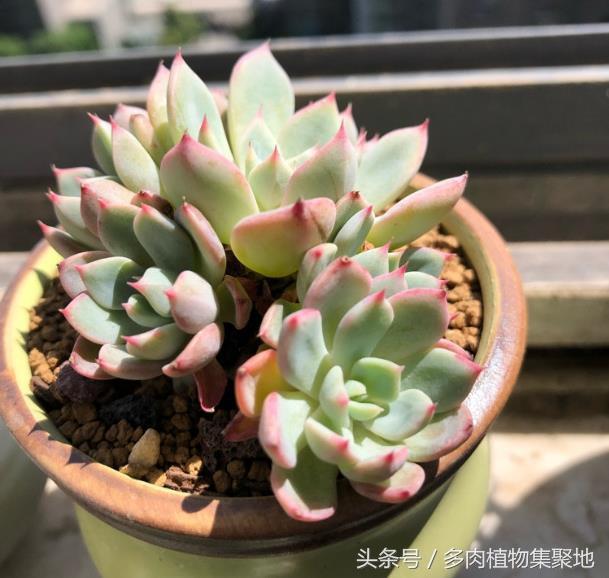
After growing succulents for a long time, you will inevitably run into the problem of potting soil compaction. Small pots are one thing, since repotting them with fresh soil is relatively easy, but what about large pots? Repotting with fresh soil is really hard work. Is there any method that lets us be lazy, skip repotting with fresh soil, and still keep the soil loose, airy and nutritious? Here are a few little tips for your reference.
Try not to use tap water. You may say that you have always used tap water, but tap water contains relatively large amounts of bleaching powder and chlorine, and regular use will compact the potting soil, and in severe cases can even cause salinization of the potting soil. If your plants are often watered with tap water, the soil easily becomes compacted. It is recommended that gardeners store tap water for a day before watering; this can greatly reduce the chance of potting soil compaction.
Find a few thick drinking straws and insert them into the compacted potting soil. It is best to poke holes with a tool first so the straws can go in, then pour coarse sand into the straws and pull the straws out, so the coarse sand stays in the soil. Each time you water, the coarse sand will spread through the potting soil with the water, making the soil looser and more airy. To avoid potting soil compaction, when planting succulents it is best to use loose, airy soil. If you use garden soil, adding a little coarse sand is the easiest method.
For friends who love succulents, the succulents in photos look so good and so beautiful, but when you grow them yourself they often die. In fact, the main problem is the soil. This is because most succulents grow in tropical desert regions, where the soil is poor (mostly gravel and coarse sand) with only a small amount of soil and organic matter. This kind of soil is extremely airy, so when we mix the medium for planting succulents we should get as close as possible to the succulents' original ecological environment.
Fertilizing is also very important. Many gardeners think that whatever special fertilizer for flowers is most beneficial to flower growth, but according to research reports on flower growth, long-term use of chemical fertilizers easily leads to soil compaction. So from now on, when fertilizing potted flowers it is best to use organic fertilizer. During the continuous process of transformation and decomposition, organic fertilizer can create gaps in the potting soil. These gaps can also slowly provide nutrients to the plants, and at the same time loosen the soil, thereby enhancing the airiness of the potting soil.
In nature, there are all kinds of microorganisms in the soil. They decompose fallen leaves, dry grass, dry twigs and so on, releasing the nutrients plants need. At the same time, their excrement helps soil stick into small aggregates, and gaps form between these aggregates. These gaps help air and water circulate, so plant roots can absorb oxygen and at the same time will not die from lack of oxygen due to waterlogging. The inside of the small aggregates retains water and fertilizer, which helps plants absorb nutrients and water.
This is a gathering place for succulent lovers, sharing succulent care tips. Welcome to follow and exchange ideas.