Design the right temperature and humidity to eliminate dust mites, the allergens behind allergic asthma
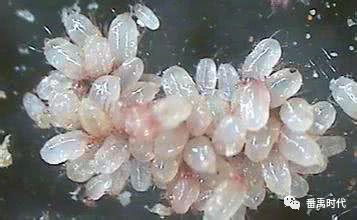
Many people pay no attention to dust mites, assuming mites are only linked to acne, but that is not the case: one of the pathogens that causes allergic asthma is the mite. What is more, 34 species of mites have already been recorded, so it is fair to say that they are closely tied to our lives and work, almost always in intimate contact with our bodies, surviving on human skin flakes as their food. So dust mites are constantly passing in and out with every breath we take.
After a person inhales dust mites, even if allergic asthma does not develop, symptoms such as nasal oxygen and coughing can still appear, and skin itching is in fact very often caused by dust mites as well, and so on. Looking at dust mites under a magnifying glass is enough to make anyone feel sick. Eliminating dust mites can be said to be one of the important factors in preventing and treating allergic asthma. As for methods, the first thing people think of is doing a good job of personal and public hygiene, but in reality there is a great deal of work to be done.
The point is to disrupt the living conditions of dust mites in every corresponding way, for example temperature and humidity. The most suitable living temperature and humidity for dust mites is a temperature of 20-30°C and a humidity of 70%-80%, and these are also the temperature and humidity suitable for human life. If conditions allow, temperature and humidity can be greatly lowered to eliminate dust mites.
What can be put to good use is humidity: humidity can be lowered to 30%-40%, and with a suitable temperature this can also cause adult dust mites to die after a severe dehydration period of 5-10. If the temperature can also be lowered to around 10°C, the damage inflicted on dust mites will be even greater. In terms of temperature and humidity, the dry and cold conditions outdoors in the north in winter and spring make it hard for dust mites to survive, so making the indoors as dry as nature can effectively eliminate dust mites.