Clivia soil mixing methods: it blooms so vigorously it looks like it was given hormones
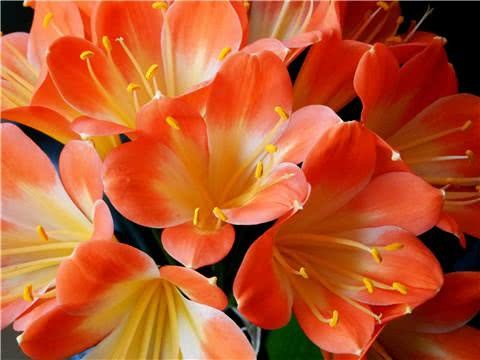
Clivia requires loose, fertile, acidic soil with good drainage and aeration. This provides ample nutrients for the growth of Clivia. It makes Clivia grow better, with lush green leaves. Let's take a look at how Clivia's soil is mixed.
For Clivia, prepare a nutrient soil suited to Clivia according to the characteristics of different soils. Let's take a look at the mixing methods:
(1). Garden soil: leaf mold: cinder or river sand, with a ratio of 4:2:2.
(2). Mountain soil: leaf mold: river sand, with a ratio of 4:4:2.
(3). Leaf mold: cinder: river sand, with a ratio of 8:1:1.
(4). Peat soil: river sand: cinder, with a ratio of 6:2:2.
(5). Pond mud: leaf mold: cinder, with a ratio of 4:4:2. If river sand is used instead of cinder, change the ratio to 4:4:1.
After the measured materials are evenly mixed, disinfect with potassium permanganate. The simplest method is to soak them with boiling water, then let them dry before using as potting soil.
Introduction to the characteristics of the main materials for Clivia soil:
(1). Garden soil: ordinary garden soil. Because it is often fertilized and cultivated, its fertility is relatively ample and its granular structure is good. Its drawbacks are that the surface easily crusts, and when wet it has poor aeration and water permeability. It can be used mixed with other soils, so the effects complement each other.
(2). Mountain soil: the soil is acidic, loose and breathable, and retains fertilizer and water well.
(3). Leaf mold: nutrient soil formed after branches and leaves are decomposed and fermented by microorganisms. It includes 2 types: broadleaf soil and coniferous soil. The main characteristics of this soil are that it is loose and breathable and rich in organic matter, and it is generally acidic or slightly acidic. It is very suitable for Clivia, a plant that loves fertilizer.
(4). River sand: good drainage, neutral, with millet-sized grains being best.
(5). Peat soil: peat has enormous water-holding and water-absorbing properties. It is rich in organic matter and acidic.
(6). Cinder: loose and porous, good drainage, contains phosphorus and potassium nutrients.
(7). Pond mud: relatively hard in texture, good drought resistance, and also tolerant of waterlogging.