Illustrated tutorial on grafting kalanchoe onto jade plant: thick fleshy leaves and abundant blooms
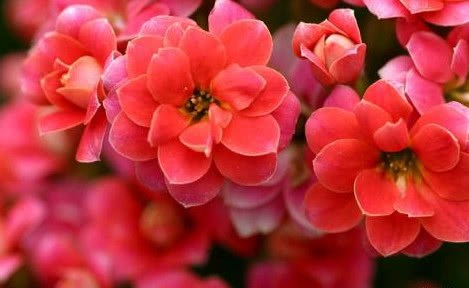
The jade plant has strong vitality, adapts easily to its environment, and its fleshy, plump leaves grow quickly. Using a jade plant to graft kalanchoe is very suitable. Combining the two can produce colorful flowers all over the emerald-green leaves, and it can also realize the bold idea of one tree bearing many flowers. It can also make kalanchoe leaves thick and juicy, with blooms that flourish nonstop!
Specific method
Materials to prepare: healthy, plump kalanchoe branches (you can prepare branches of several colors, so that after blooming there will be many colors), a small jade plant, a small knife, plastic wrap
1. Cut the grafting surface of the kalanchoe branch into a wedge shape, as shown in the picture below. Remember to disinfect the small knife.
2. Using the cleft grafting method, choose a jade plant branch that has not become woody, cut a 1 cm deep slit with a small knife, and insert the prepared kalanchoe branch into it.
3. Then secure it. You can use a plastic bag or plastic wrap, wrap it around the joint, water thoroughly once, and place it in a cool, ventilated spot.
After about 20 days, if the kalanchoe leaves are no longer soft, that proves it has survived!
If you want it to bloom after grafting, later care is also very important! Jade plants and kalanchoe share many similarities in growth habits, which is also why jade plants are chosen to graft kalanchoe!
1. After it has fully survived, place the grafted kalanchoe in a spot with plenty of sunlight and good ventilation. Jade plants and kalanchoe are relatively drought-tolerant, so when watering, it is better to keep them dry than wet. When the sunlight is intense, pay attention to shading to avoid scorching the leaves.
2. After it has fully survived, during the bud formation and blooming period, you can spray potassium dihydrogen phosphate solution every 10 days to provide temporary nourishment, extend the flowering period, increase the number of blooms, and make the flower colors more vivid.
3. After the flowers fade, in order to let it continue blooming, you need to cut off the flower branches. This avoids consuming too many nutrients while also promoting the sprouting of new buds!
4. During the growth period, you should also prune the jade plant. If the jade plant grows many side buds, they will also consume many nutrients. If you want the kalanchoe to bloom continuously, you can cut off the side branches.
With this method, you can achieve one flower with many colors!
Do gardening friends like this kind of kalanchoe?
You are welcome to leave a comment and share your experience!
Images are from the internet