The resurrection plant can survive 10 years without a single drop of water, so why does it die within days of being kept at home?
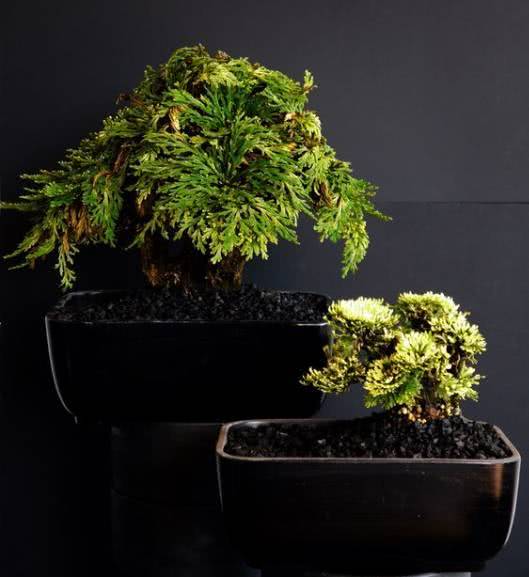
A few years ago a friend bought a potted flower and said it was a desert rose, but when I looked at it, wasn't this the resurrection plant?
My friend said that was what the flower shop owner told them, but the desert rose does have the nickname "desert moss rose" in foreign species, so it's not surprising that some people get the name wrong!
(The resurrection plant is actually very beautiful, especially when grown as a bonsai)
The resurrection plant is also called Selaginella, and it has several varieties. It is one of the most drought-tolerant plants in the world. It can go several years without a single drop of water, and after several years, when it encounters water, it can still return to its verdant appearance, and it only takes one or two days to recover.
But that is in nature. In a moist, warm environment it recovers and grows very easily, but in a dry home environment it tends to wilt, and may even die within just a few days of being kept.
(The image above shows the effect of time-lapse photography)
As shown in the image above, when it is dry it curls up into a ball of grass, and it will not unfurl unless it encounters water. It can maintain a state of suspended animation under extreme conditions, and comes back to life when it meets water.
In other words, the resurrection plant cannot bring anything else back to life, it only brings itself back to life!
If you have seen what it looks like in its native habitat, you would feel that it is just a bit special, but very pleasing to look at. The image below shows a clump of resurrection plants growing on a shady slope, looking very fresh and green, with very tall, large plant forms, and the environment is relatively moist and cool, which is suitable for their growth. So you see the fuzzy balls like in the image above!
Gardeners can find resurrection plants on some undisturbed shady slopes. They are in the same family as ferns, but their vitality is especially strong, and they have very special survival techniques.
Besides its very strong vitality, it also has very good medicinal effects. It is itself a medicinal herb, but its effect is not bringing the dead back to life, rather it promotes blood circulation and regulates menstruation, and it also has a very good effect on bruises and injuries. It is generally used externally, mixed with some medicinal herbs, and applied to wounds to stop bleeding.
Of course, you can also buy resurrection plants at flower markets now, but it is still a niche variety. It looks so strange that not every gardener will like it.
If you have no confidence in keeping plants, you can try keeping a resurrection plant. It is very tolerant of poor soil and does not need very fertile soil. You can even just keep it in a pot of water!
However, note that it cannot be frozen, as it is easily damaged by frost when it is too cold.
Ones like the one in the image above are all horticultural cultivars. Some gardeners call it "Red Peacock Selaginella", and in some places it is collected for use as a medicinal herb, as shown below, but I still think it is better to let it grow in its native habitat. No matter how easy it is to keep, it belongs to nature.
In order to survive, plants will do everything they can to adapt to their environment. They change themselves to achieve this, successfully evolving special techniques, and these are all worthy of praise.