What to do when pothos leaves turn yellow? Master the right watering method and watering frequency
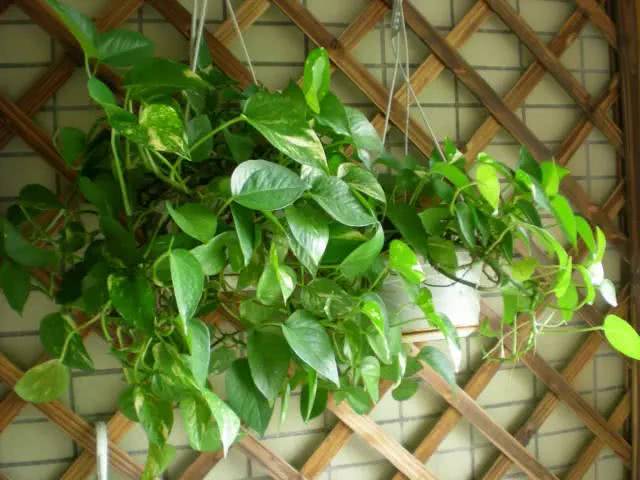
Known as the "flower of life", pothos not only has high ornamental value but also effectively absorbs harmful gases such as formaldehyde from the air, which is why it is so popular. However, if pothos is watered improperly, it will cause yellow leaves, root rot and other problems, which shows how important it is to get the watering amount right. So how should pothos be watered, what is the watering frequency, and how often is it appropriate to water it?
·Pothos watering frequency·
Pothos likes warm, humid environments and is a shade-loving plant, making it one of the very best indoor decorative plants. Pothos is very tough and can be grown either hydroponically or in pots. Hydroponic pothos grows faster and its cultivation and care are simple; during cultivation and care, you should spray the plant with water more often in summer, add nutrient solution once every 10 days to keep the leaves green, and change the water once every 2 to 3 days.
For potted pothos, in principle watering during the growing season should keep the potting soil constantly moist, and in summer, while watering thoroughly, you should also pay attention to spraying the leaves often. Remember, pothos must not be watered with rice water. Although rice water contains nutrients that can be used, it must be composted, fermented and fully rotted before use; otherwise it will not only easily breed pests but in serious cases can also cause root rot.
In summer, when temperatures are higher, pothos grows vigorously and takes up more water, so it needs watering about once every 2 days; in autumn and winter, the amount of watering should be controlled according to the indoor temperature. When the room temperature is below 10 degrees, the soil of the plant evaporates more slowly, so watering should be reduced to once every 4~5 days. After heating is turned on, watering should also not be too frequent, once every 3~4 days.
·How to water pothos properly·
When watering, be careful not to pour the water directly into the pot; instead, first pour the water in slowly, wait for it to seep down, then spray evenly and wait for the water to penetrate. In addition, you should also spray water on the aerial root growth areas of the moss pole to reduce insufficient water uptake by the roots caused by too-rapid evaporation.
When watering, you must water thoroughly at one go to maintain soil moisture. In the north, pothos can overwinter safely at a room temperature above 10°C, and it can grow normally at a room temperature above 20°C. When watering in winter, you need to first let the water sit indoors for a day, and water only once it is basically the same as room temperature, so that the water is not too cold and damages the roots of the pothos.
In general, as long as you have mastered the watering amount and replenish water for the pothos in time, yellowing leaves will not occur often.