3 mistakes in pepper cultivation and management: no matter how much fertilizer you apply, a high yield is still hard to achieve
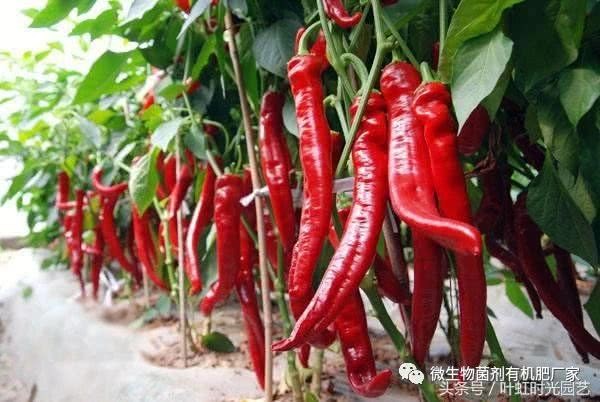
In pepper cultivation and management, many growers hold mistaken ideas and practices when fertilizing, which not only wastes costs but also seriously affects pepper quality. Therefore, to achieve high yield and high quality in peppers, you must avoid falling into the following 3 mistakes!
Mistake one: The more fertilizer applied, the faster and better they grow.
The normal soil total salt concentration required for pepper growth is 2000-3000 mg/kg. Once it exceeds 6500 mg/kg, reverse osmosis occurs in the roots, causing them to dry up, and the yield instead declines.
Furthermore, applying too much fertilizer causes excessive vegetative growth in the early stage of peppers, consuming a large amount of nutrients and leading to premature senescence in the later stage. In severe cases, it forms long-styled flowers that cannot self-pollinate, resulting in reduced yield. At the same time, the field becomes overly dense and closed, making the plants more susceptible to various fungal and bacterial diseases.
Mistake two: Applying too much nitrogen and potassium fertilizer while neglecting other nutrient elements.
Solanaceous vegetables have a high demand for potassium and nitrogen, so many farmers apply large amounts of potassium and nitrogen fertilizer in production and neglect supplementation of phosphorus, calcium, and magnesium. If high-temperature and drought conditions occur at this time, it will have an antagonistic effect on calcium uptake, causing peppers to develop blossom-end rot to varying degrees.
Mistake three: The more frequently pesticides are sprayed, the fewer pests and diseases there will be.
Many growers spray pesticide once every 2-3 days during the middle and late stages of pepper growth, believing this can reduce the spread of disease, otherwise the plants will be ruined.
In fact, spraying frequently during this period both interferes with the pepper plant's normal synthesis of carbohydrates and is unfavorable for the production of antibiotics in the pepper, instead causing a decline in the pepper's disease resistance.
Solutions:
For plots with high total salt concentration, apply heavy amounts of organic fertilizer, humic acid fertilizer, and microbial agents to increase the soil carbon-to-nitrogen ratio, improve soil structure and the micro-environment, and reduce salt and fertilizer damage.
To improve the yield and quality of peppers, it is essential to understand the growth characteristics and fertilizer requirements of peppers and to apply scientifically formulated fertilization. Focus on supplementing the trace elements boron, zinc, and magnesium, balance soil nutrients, and create conditions for lower input and continuous high yields year after year.
Trials show that for every 1000 kg of peppers produced, 2.5-3.5 kg of nitrogen, 0.4-0.8 kg of phosphorus pentoxide, and 4.5-5.5 kg of potassium oxide are required. In production, organic and inorganic fertilizers can be applied according to this ratio formula.
When cultivating peppers, do not plant too densely; reasonable sparse planting is better. Plants with luxuriant branches and leaves and poor ventilation should have their leaves thinned promptly, and an environment where leaves and branches are not crowded is best, thereby increasing total yield and total benefit.
When preventing diseases, apply the right remedy for the disease. It is best to choose copper-containing and zinc-containing agents, which can both sterilize and enhance the plant's disease resistance and promote crop growth. For soil-borne diseases of peppers, pesticide prevention work should be done well at the seedling stage.