Add this when watering flowers, and the leaves will be glossy green and there will be plenty of flower buds
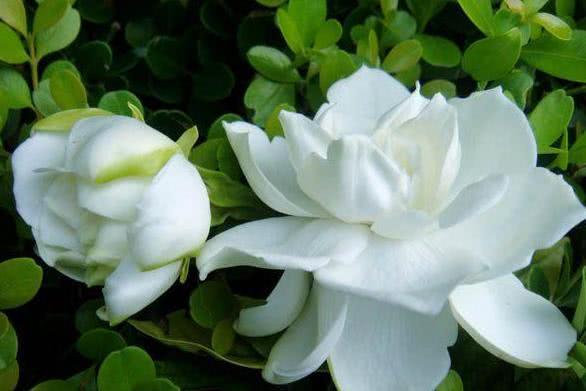
Many flower lovers know a few methods for making homemade flower fertilizer. Making your own flower fertilizer is simple and fun, and it can also save a lot of money. Today the editor recommends a few homemade flower fertilizers for everyone. Add this when watering, and the leaves will be glossy green and the flower buds will burst out!
Fish tank water
Using the water changed out of a fish tank to water flowers has three major benefits:
1. One water serves two purposes, saving water resources, and not just saving a little on the water bill.
2. The residual chlorine in the water has already evaporated, so watering flowers with it will not cause harm.
3. Fish waste can be converted into organic fertilizer for flowers and trees; the water in a fish tank contains nitrates. After flowers absorb the nitrates in the water, they extract the nitrogen element from them to synthesize proteins, which is indispensable.
The fish tank water we pour out should first be left to sit in a basin for about a day, and then used on pothos. If the water contains fertilizer, remember to add water to dilute it before use!
Kitchen waste
Use kitchen scraps to make high-quality flower fertilizer. These homemade fertilizers contain multiple nutrient elements and rich organic matter, have a mild and long-lasting fertilizing effect, and can also improve the soil, causing the soil to form aggregate structure, coordinating the air and water in the soil, and are extremely beneficial to the growth and development of flowers. They can both solve environmental protection problems and allow value-added use.
Production method:
1. Fruit peels and rotten vegetable leaves. Mix them directly into two-thirds sandy soil, or put them into a small bucket, basin, jar, or other container and seal the opening tightly with mud, and compost them into humus soil. It can be used directly to plant flowers, or used as flower fertilizer for topdressing.
2. Pour the waste oil from the oil collection box of a range hood along the edge of the flower pot into the soil. Remember not to touch the roots. It is suitable as flower fertilizer for hibiscus, jasmine, and rose moss.
3. Crush spoiled glucose powder and sprinkle it around the soil in the flower pot. After three days, yellow leaves turn green and the growth becomes vigorous. This method is suitable for spider plant, crown of thorns, lucky bamboo, and monstera.
Eggshell flower fertilizer
After mixing crushed eggshell powder into the growing soil, it can improve the physical properties of the soil, making the soil looser, both air-permeable and well-draining, which is beneficial to root growth. When the roots are strong, the flowers are abundant and the leaves are lush. At the same time, loose and well-aerated soil is beneficial to the growth and activity of microorganisms in the soil, decomposing the organic matter in the soil into nutrients that flowers can absorb and use, thereby making the flowers grow vigorously.
Egg fertilizer production method: Wash the egg white inside the eggshell clean, dry it in the sun, crush it, then put it into a grinding bowl and grind it into powder. You can mix and stir it evenly according to a ratio of 1 part eggshell powder to 3 parts potting soil, and then pot it to cultivate flowers. It is also a long-acting phosphorus fertilizer. Generally, during the watering process after planting, the effective ingredients will precipitate out and be absorbed and used by the growing flowers.
After eggshell powder is used in planting flowers, the flowers produced are large and brightly colored, and the fruits produced are large and plump. It is a completely organic phosphorus fertilizer.
Overnight tea
Overnight tea contains many elements and is very useful for flower growth. Collect discarded tea water in a bucket and leave it for about a week to let it ferment. Wait until it is fully fermented before watering flowers. Through a night of fermentation, this tea liquid has already become slightly acidic, so it is indeed suitable for watering flowers and plants that like an acidic environment, such as azaleas, jasmine, and spider plant.
Many families are used to directly watering the roots of flowers with overnight tea or discarded tea. The tea fermentation process can easily burn the roots and easily breed pests and diseases, causing root rot, so never do this.