How should flowering plants be grown to safely make it through summer?
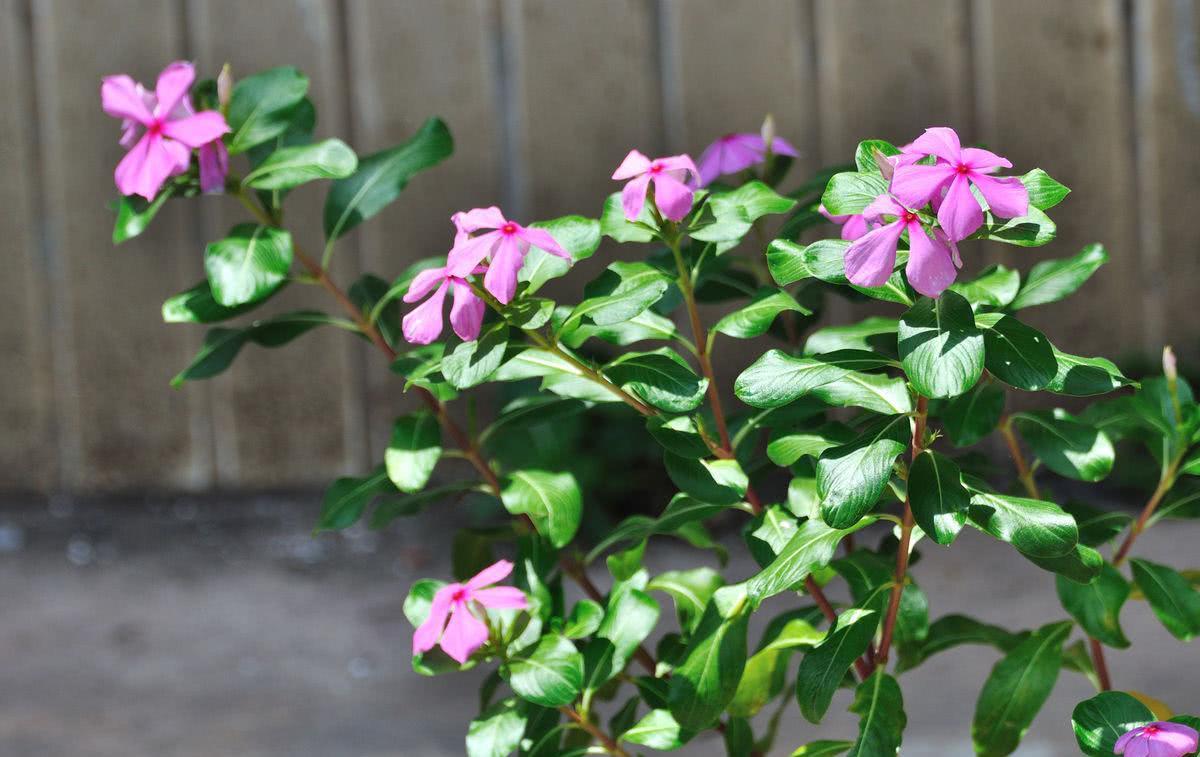
Spring has gradually drawn to a close, the hot summer has slowly arrived, and temperatures are gradually rising higher and higher. When temperatures are high, people all become irritable, let alone plants. After going through high temperatures, plants may be on the verge of wilting. So below, let me introduce to everyone how to get plants safely through summer.
Shade and coolness
Summer sunlight is the strongest of all four seasons. When we go out, we all need to wear sun hats, let alone plants. So for some indoor flowering plants, you need to give them appropriate shading to prevent the leaves from being scorched by light, or turning yellow. If they are grown on a balcony, at noon you also need to appropriately shade the light or move them to a slightly more shade-tolerant spot.
Fertilizing
Plant growth needs some nutrients, and high temperatures are precisely the period when plants grow better, so you need to apply some fertilizer appropriately, applying thin fertilizer frequently, which can also increase the plant's own resistance. You can also use chemicals to cool them down; you can spray aspirin, which will reduce water loss from the leaves and can also prevent leaf scorch.
Misting plants
Summer temperatures are relatively high and light is relatively strong, so it is very easy to cause plants to lack water. Therefore, you need to replenish water for the plants in time, which can also cool the plants and let them grow better. In summer, water consumption is relatively heavy. If water is not replenished in time and the plants dry out, you should promptly move the plants to a shady place, then mist the leaves with water, and finally water the plants slowly.