How to grow potted flowers on a balcony: how to care for flowers and plants so they thrive
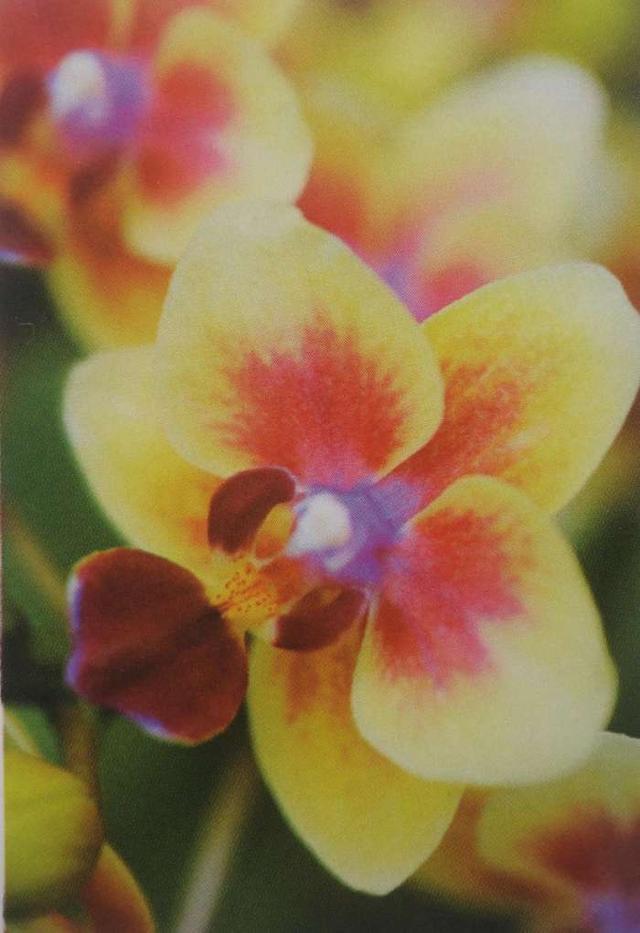
Details to pay attention to when buying potted flowers:
To make sure the plants you bring home will keep blooming, the first big principle when choosing is to pick ones with a full, round shape and plenty of vigor, with sturdy, firm stems and leaves and no pests or diseases; next, when it comes to the flowers: 1. Choose plants with a larger number of flowers, with one-half or two-thirds of the flowers already open, which shows the flowering condition is good; 2. The flowers should be bright and vivid in color, and free of diseased spots and insect damage; 3. The buds should be plump; 4. Carefully check the flowers for any damage.
Reasons why African violets only grow leaves but do not bloom:
African violet leaves are usually glossy and thick; if they show signs of leggy, spindly growth, it very likely means there is not enough light, so you should move the African violet to a brighter spot. If the African violet has plenty of leaves but they lack gloss, it is very likely a root problem, so you can replace the potting soil and slightly reduce the proportion of peat moss. If that is not the problem either, then the pot may be too large, so you can switch to a more suitably sized pot.
How to check whether a plant has pests or diseases when choosing potted flowers:
Healthy flowers, grasses and trees can add more floral color and greenery to a balcony, but once you buy flowers and plants with poor constitution, later cultivation will be difficult, and they may even bring pests and diseases that harm your other plants too. So when buying flowers, be sure to carefully check the leaves and stems for signs of disease or pests, and do not forget to check the undersides of the leaves and the branches as well. If the leaves or branches have brown or black spots, or brown or black markings, or if the undersides of the leaves and the branches show any trace of pests, then as long as it is not glossy and clean, it is best not to buy that pot.
How should ornamental fruit bonsai be chosen:
When choosing healthy ornamental fruit bonsai, the big principle is likewise that the plant has a robust shape, with sturdy, firm stems and leaves, while the tips for the fruit part are: 1. Choose ones with a larger number of fruits, with one-half or two-thirds being ripe fruits, so the bonsai will look good; 2. The fruits should be firm and fresh, with bright fruit color, and no damage, brown spots or insect bites; 3. The unripe young fruits should be plump, already colored, and numerous.
After cold plum finishes blooming, what cultivation points should be noted to ensure it produces beautiful flowers again the following year:
What is commonly called cold plum is actually Chaenomeles speciosa (flowering quince); it is naturally vigorous, and its flowering period is from November to April of the following year. Because it is cold-hardy, the focus can be placed on summer cultivation management to make the plant grow strong. Slow-release fertilizer can be applied in spring and summer, and after flowering in spring, organic fertilizer can be used as a base fertilizer while renewing the potting soil or repotting, so that new branches grow strong and flower bud growth and flowering are favored. As for the number of flowers, it must depend on the low-temperature conditions of that year.