Succulent leaf propagation method: one leaf becomes a pot, and the more you grow, the more they multiply until they fill pot after pot
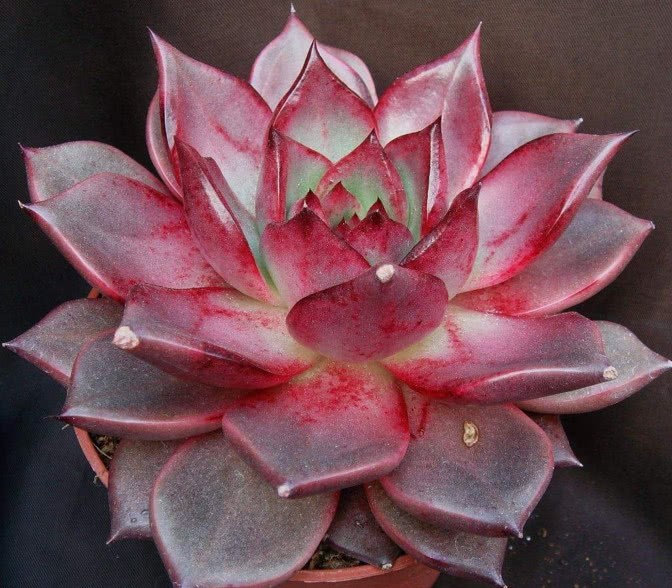
Succulents are best leaf-propagated in spring and autumn; in this season they root and sprout easily. The slowest season for leaf propagation is summer, when they not only fail to sprout easily but also turn to mush. For the soil mix we use for leaf propagation, it is best to use peat soil and perlite; this kind of soil will have very good air permeability. When leaf propagating, the soil can be slightly moister. Ordinary succulents are more likely to succeed at leaf propagation; on the contrary, expensive succulents are instead less likely to survive.
When leaf propagating for the first time, we choose some thicker leaves, because thicker leaves contain relatively more nutrients, while thin leaves store relatively fewer nutrients. So if you want to improve the success of succulent leaf propagation, you must choose thick leaves; this way the survival rate is very high. For leaves just twisted off, do not leaf propagate them right away; let them dry for two days before leaf propagating.
If a succulent leaf has no fuzz, that indicates its growth vigor is relatively strong; if it has fuzz, that indicates the succulent is still relatively tender, so the survival rate of cuttings is also relatively low. Also, those often sunburned, or leggy, will not have a high survival rate either. Even if they survive, the plant shape will not grow to look good, so choosing leaves is also very important.