What to do about root rot in clivia? Learn these 3 tricks to quickly restore its vitality
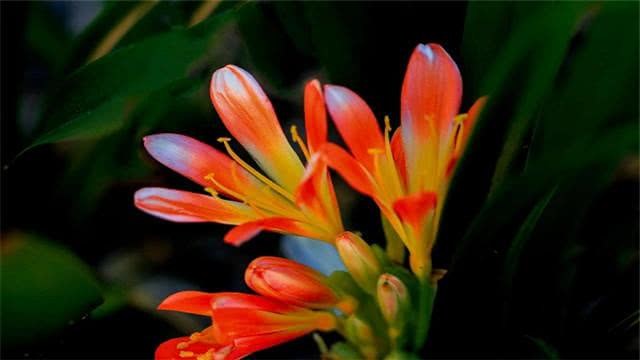
There are many causes of root rot in clivia. If you watered too much or too often, prop up the pot and place it in a ventilated spot and reduce watering. If the soil is too poorly aerated, replace it with soil that has good aeration. If you used fertilizer that has not been fully decomposed, flush the fertilizer away with cool water or replace the soil.
1. Reduce watering
Cause: If you give clivia too much water at once or water it too frequently, water will accumulate in the soil. This waterlogging lowers the oxygen content in the soil, and once the oxygen content drops, the root cells of the clivia shift from aerobic respiration to anaerobic respiration, producing ethanol. If the ethanol cannot be expelled in time, it will cause root rot in the clivia.
Solution: Prop up the pot and place it somewhere with good ventilation, and wait for the moisture in the soil to evaporate, then reduce the amount and frequency of watering. If the situation is fairly serious, you can dig out the plant, cut off the rotten roots, replace half of the soil and replant it.
2. Replace the soil
Cause: Clivia must be grown in soil with strong aeration. If the air circulation in the soil used is insufficient, it will likewise make the oxygen concentration in the soil very low, leading to root rot.
Solution: Take the plant out of the soil, then plant it in new soil with good aeration and care for it gradually.
3. Fertilize scientifically
Cause: If you give clivia fertilizer that has not been fully decomposed, the fertilizer will be broken down by microorganisms in the soil. During this process a large amount of heat is released, and if this heat cannot dissipate, it will affect the plant's root system.
Solution: Water the clivia with a large amount of cool water to flush the fertilizer away, or simply replace it with new soil, and then fertilize and care for it scientifically.