Potted osmanthus: Learn these 4 key tips well, and you can enjoy its fragrance every month
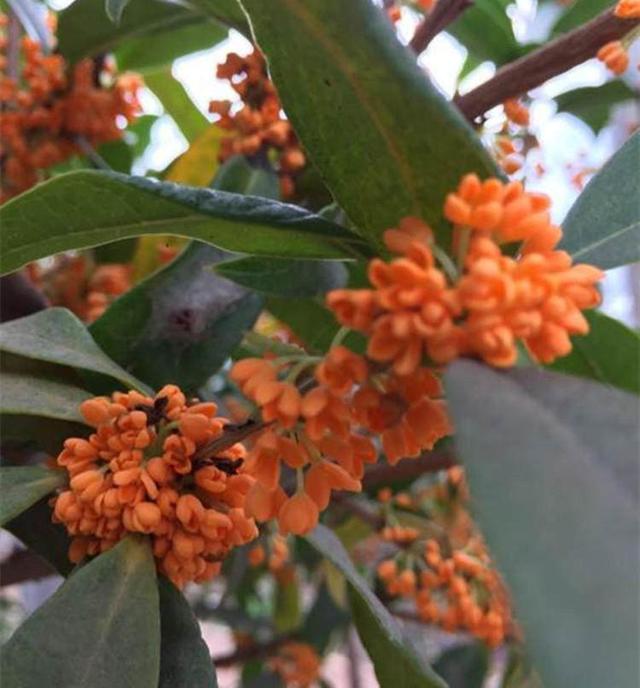
Osmanthus, with just one branch in bloom, can spread its fragrance for ten li; it really is a wonderful ornamental potted plant for the home. Grow one pot, let one flower bloom, and you can enjoy its rich fragrance. People say osmanthus only releases its fragrance in August, but in fact, if you master these 4 key tips well, you can smell osmanthus fragrance every month.
Tip one: Grow in acidic soil
Osmanthus likes to grow in slightly acidic soil rich in humus, with a soil pH of 5.5-6 being suitable. Avoid using alkaline and overly heavy clay soil for planting. The growing mix can use 4 parts humus soil, 3 parts sandy soil, and 3 parts dried decomposed manure, plus a small amount of bone meal. To overcome the alkalinity of the soil and water, during the growing season, along with watering, add some organic nutrient solution to the water about every 10 days, so that the branches and leaves are deep green, which is good for osmanthus growth.
2. Sufficient light
Osmanthus likes sunlight by nature. During the growing season, place it in a spot with sufficient light and shelter from wind for care. The bottom of the pot should be raised with an empty pot or bricks and stones; do not place it directly on muddy ground. June to August is the period when osmanthus flower buds differentiate and form. If given 10 hours of sufficient light and a high temperature of 35-38°C each day, it can promote bud formation and increase the flowering rate.
When caring for osmanthus, avoid shading it in summer, as lowering the temperature can affect flower bud differentiation. After winter begins, move it indoors to a sunny room that does not freeze. The room temperature should not be too high, otherwise it easily causes early shoot growth. When moved outdoors in spring, tender shoots are very easily damaged when hit by cold wind.
3. Manage fertilizer and water well
Osmanthus likes fertilizer. In addition to applying sufficient base fertilizer when potting, in early March when the buds just begin to swell, apply once a diluted liquid fertilizer that has been fermented. From April to the end of May, apply a decomposed organic nutrient solution once every 10-15 days or so, with a fertilizer-to-water ratio of 1:500. From June to August, phosphorus and potassium fertilizer should be the main supplementary application to promote flower bud differentiation and formation. During the flowering period, reduce the amount of fertilizer used, changing to applying organic nutrient solution once every half month, and after flowering, promptly apply once a liquid fertilizer mainly based on nitrogen.
The amount and frequency of watering osmanthus should be determined according to the weather and the plant's growth conditions. Generally, in spring, water once every 2-3 days, preferably in the afternoon. In summer, the temperature is high, the soil surface evaporates a lot, and it is also the stage of osmanthus flower bud development and differentiation, so the water requirement is relatively large; it should be watered once a day. During the flowering period, do not water heavily, to prevent flowers from dropping.
4. Shaping and pruning
For osmanthus plants with overly dense branches, thinning pruning should be carried out. On one hand, this improves ventilation and light penetration; on the other hand, it can concentrate nutrients, promote fuller growth of the remaining branches, and produce abundant flowers.
Image from a flower friend: Green Water Green Mountain White Cloud