How should beginners select leaves when propagating succulents by leaf
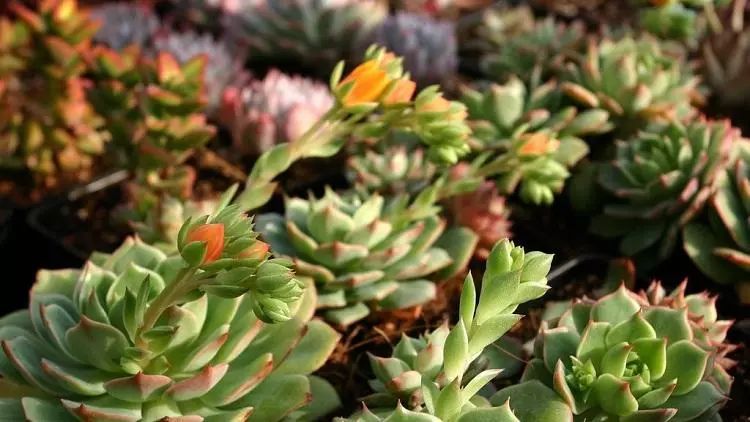
Although most of spring has passed, and the best time for succulent leaf propagation is over, this does not stop succulent fans from studying leaf propagation methods together. After all, based on my three years of leaf propagation experience, as long as the temperature of the growing environment is not higher than 30°C, leaf propagation is still possible, so if you still cannot hold back your excitement and want to try leaf propagation, then come and take a look with me!
I believe that if you can learn these little leaf propagation experiences, you will become a leaf propagation expert. First, I recommend some beginner-friendly varieties with a relatively high success rate for leaf propagation. In fact, the varieties with the highest leaf propagation success rate are succulents of the Crassulaceae family, such as: Sedum rubrotinctum (Jelly Beans), Pachyphytum 'Little Beauty', Graptoveria 'Titubans' (White Peony), Aeonium 'Zwartkop' (Black Prince), Sedum adolphi (Golden Glow), Sedum nussbaumerianum (Coppertone Stonecrop), Graptopetalum mendozae (Qiu Li), and more, all of which are good choices.
Second, when we break off succulent leaves, we must try to give priority to plump, healthy, and intact leaves, as this can also greatly increase our leaf propagation success rate. Of course, freshly broken-off leaves need to be placed in a ventilated and shady place to let the wounds dry, for two to three days.
I believe there are certainly many succulent fans who have just gotten into the hobby and will place the broken-off leaves in a ventilated and shady place to wait for them to root before planting, but succulent plants that have just sprouted this way will be very unhealthy, and the leaves will also curl into a ball, so it is not recommended for beginners to use. Of course, spring and autumn are also the seasons with the highest leaf propagation success rate for succulents!
Finally, we should note that when doing leaf propagation in summer, we must also pay attention to ventilation and cooling in the indoor growing environment, but in winter it is still better not to do leaf propagation.