Cut once in spring and water twice, and roses will bloom abundantly every year
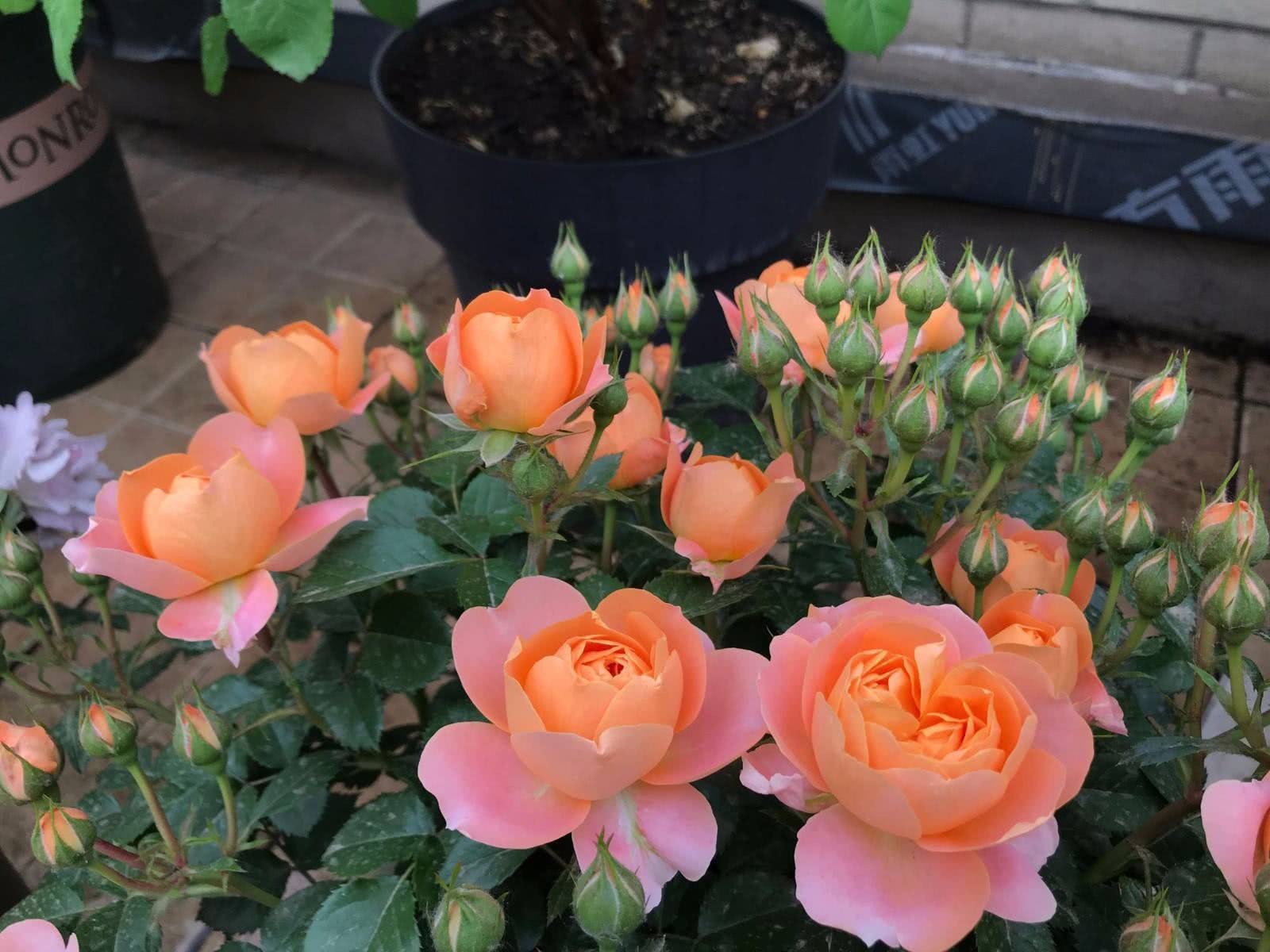
The rose is one of my favorite flowers. Its leaves are lush green and its blooms are brightly colored. With good care, it can flower all year round, which is why it is also called "monthly red." The roses I grow always produce large, beautiful, delicate blooms, but many gardening friends find that the roses they grow either turn yellow leaves or simply refuse to bloom. Today I will teach you 2 tricks to make your roses bloom abundantly all year.
No matter what flower you grow, you must first understand its growth habits, so you know both yourself and the plant. Roses are not especially demanding about soil, but loose, fertile soil rich in humic acid with good drainage suits them best. They prefer a warm environment with plenty of sunlight and good air circulation. After May comes the peak growing season for roses, and you must do these few things well to keep them blooming every month.
1. Experienced rose growers certainly know that "a rose is a flower that depends entirely on fertilizer." If you want good blooms, you must learn to be a master of fertilizing. If your roses do not get enough nutrients, the flowers they produce will surely be small or may not open at all. So how do you fertilize roses scientifically?
Roses love fertilizer, and potted roses need light, frequent feeding. Here is a little trick for fertilizing roses: before budding in early spring, apply one application of a fairly concentrated liquid fertilizer. Once the leaves emerge, spray a foliar fertilizer once every 10 days, which keeps the leaves thick, deep green and glossy.
During the rose's flowering period, be careful not to fertilize. After the flowers fade, apply one more application of liquid fertilizer. In summer and autumn, when the fourth or fifth axillary buds are about to sprout, apply one more application of a moderate-strength fertilizer. In December, during the dormant period, apply well-rotted organic fertilizer to help it through winter.
In general, during the peak growing season, apply a dilute fertilizer once every 10 days. I usually choose an organic liquid fertilizer specially made for roses, which promotes blooming and is rich in nitrogen, phosphorus and potassium for balanced nutrition. Huadongde's rose-specific liquid fertilizer also contains active factors that clear the nutrient transport channels of the rose, promote photosynthesis and strengthen the rose's disease resistance. Like a traditional Chinese medicine treatment, it gives the rose care from the inside out.
2. After Qingming, this is the careful pruning when the roses come out of storage. Keep the strong, healthy branches of the rose and cut off all the others, including sideways branches, weak branches, crossing branches and overly dense branches. The branches you keep should be chosen from the base with 3 to 5 buds kept, and everything above them cut off. This lets the plant absorb a large amount of nutrients from the soil to supply the long-term growth needs of the leaf buds and flower buds left on the pruned branches. Be sure to prune after the buds begin to swell; pruning too late affects the first flowering. The plants should be kept at a consistent height, and each plant can keep 3 to 5 main branches, at most 7.
3. The principle for watering roses is to follow "watering between dry periods." Specifically, this means watering thoroughly once, letting the water soak down to the roots, ensuring the soil is moist while also avoiding waterlogging. The next watering should wait until the water in the soil has been fully absorbed and evaporated and the surface is dry.
Many gardening friends often ask me, how long should the interval between waterings be? To be honest, without seeing your plant, casually telling you a number of days would be irresponsible. Generally speaking, the exact interval between two waterings depends on the actual conditions of climate, growth and soil. In summer, when temperatures are higher and water evaporates faster, you can water once in the morning and once in the evening each day.
These two waters are: watering and a rose-specific nutrient solution, and this one cut means pruning your roses in time. In May, do these few things well, and your roses will easily bloom every month.