Succulents: Radiation Protection, Formaldehyde Absorption, Poisonous? A Deep Dive into Three Major Misconceptions
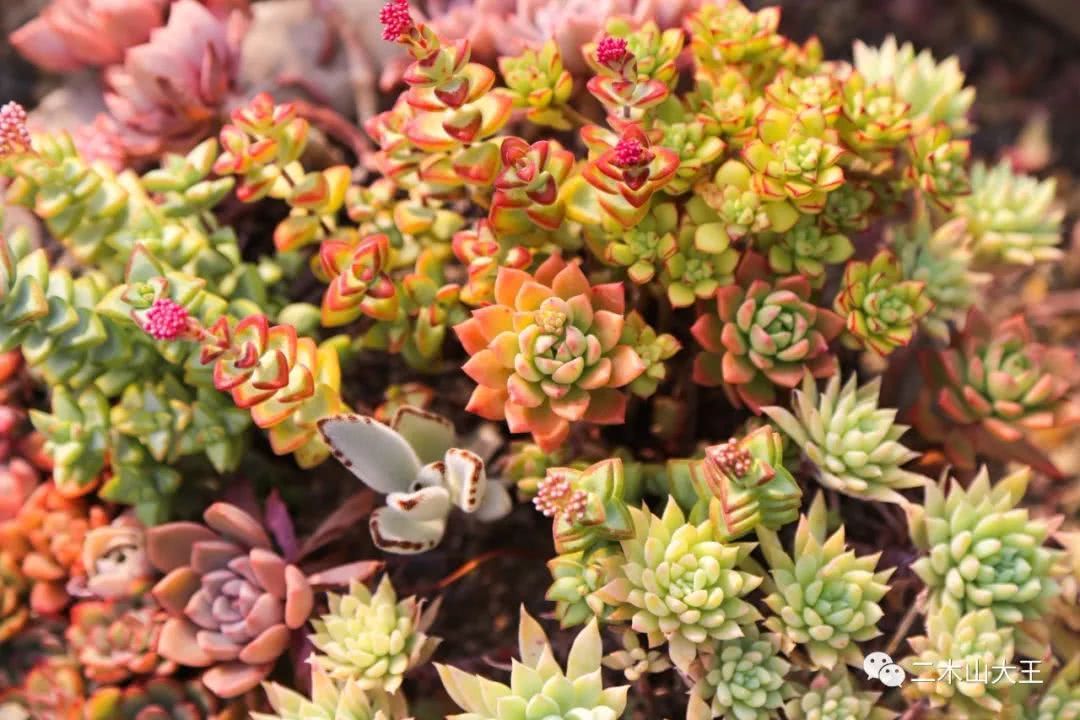
It is widely rumored online that succulents can protect against radiation, absorb formaldehyde, and purify the air, and some say succulents are poisonous and harmful to your health when placed in the bedroom... In response to these major misconceptions, today we will take a deep dive into analyzing and interpreting them, and lead everyone out of these misconceptions.
Graptopetalum mendozae
Misconception One: Succulents can protect against radiation
I looked up relevant materials and consulted some experts, and the conclusion is: the radiation protection function of succulents has not yet been certified in the scientific community. So the claim that succulents can protect against radiation has always been a big misconception. In fact, compared with radiation protection, the pleasure we get from growing succulents far exceeds the functional benefits of the plants themselves.
Misconception Two: Succulents can absorb formaldehyde and purify the air
Among the plants we commonly see, there are indeed some that can absorb trace amounts of harmful gases, but succulents are even smaller, so this effect is almost negligible. Think about it from another angle: plants actually also like clean air in order to grow better. There are often articles saying that wiping the leaves of a rubber tree with beer will make it grow better, but in fact the main effect is cleaning dust off the leaf surface. Most plants rely on their leaves to breathe, and they also need to take in oxygen and release carbon dioxide! So if the indoor air is bad, just open the windows more!
Pachyphytum amethystinum
Misconception Three: Succulents cannot be placed in the bedroom and are harmful to health
What makes succulents different from other plants is that their cells use a unique method --- the Crassulacean acid metabolism pathway (abbreviated: CAM). During the day their stomata close, and gas exchange does not occur or occurs very little. At night, however, they carry out both "photosynthesis" and "respiration" at the same time, and the oxygen they release is apparently far more than the carbon dioxide they release. So there is no need to worry that placing several hundred pots of succulents in the bedroom will affect your health! However, the most important thing is that the healthy growth of succulents is inseparable from sunlight, so it is still best to place them on the windowsill!
Crassula 'Tom Thumb'
Misconception Four: Succulents are poisonous
In fact, most of the succulents we encounter in daily life are non-toxic. The common Crassulaceae, Haworthia cooperi, and Lithops, among others, are all non-toxic. Only succulents in the Euphorbiaceae family are almost all toxic, and the most common ones at flower markets, such as the "pencil cactus" and "Euphorbia tirucalli," are all toxic. After being broken off, the white liquid flowing from the wound is toxic, so if your hand touches it, rinse it off immediately, and be sure not to let children or pets accidentally eat it. In fact, there are quite a few toxic plants in daily life, such as Narcissus, hyacinth, and garden balsam, so everyone should just avoid eating everything they see.
Pencil cactus (toxic)
Euphorbia tirucalli (toxic)
Euphorbia trigona (toxic)
Sedum succulents (non-toxic)
Haworthia cooperi (non-toxic)
Of course, a seasoned foodie will definitely want to know which succulents can be eaten. In fact, most people have eaten succulents in daily life. The well-known edible succulents include aloe (juiced), purslane (served cold), Aptenia cordifolia (served cold), ice plant (in vegetable salad, served cold), Portulacaria afra (in vegetable salad, served cold), dragon fruit (eaten directly), and so on... People in Taiwan, China even juice the leaves of Graptopetalum paraguayense to drink; chill it and add a little honey, and it tastes pretty good. While it is tasty, do not eat carelessly. A solemn reminder: choosing to eat some succulents that everyone knows well is fine. Do not taste unfamiliar succulents or plants.
Aloe
Purslane
Aptenia cordifolia (mistakenly rumored to be Panax notoginseng)
Ice plant
Graptopetalum paraguayense