No need to buy pesticides for scale insects and whiteflies - a bowl of soapy water can kill them all
Red spider mites
Red spider mites are very small, about the size of a pinprick, nearly round, and reddish-brown, making them hard to spot. The main damage they cause is yellowing and even dropping of flower leaves.
Prevention and control methods:
1. Keep good ventilation, pay attention to the underside of leaves, and immediately remove any individual diseased leaves you find.
2. If there are many diseased leaves, you can spray them with chili water or tobacco leaf water.
① Boil red chili peppers in water and strain out the liquid. Let the boiled chili water cool, then mix 1 bowl of chili water with two bottles of clean water. When spraying, do not spray too much at once; increasing the amount gradually will give better results.
② If you have tobacco leaves, you can use tobacco leaf water. The preparation method is similar to chili water; be careful not to use too much.
③ For chemical control, you can use propargite, dicofol, dimethoate, huachongjing, fenvalerate, etc.
Powdery mildew
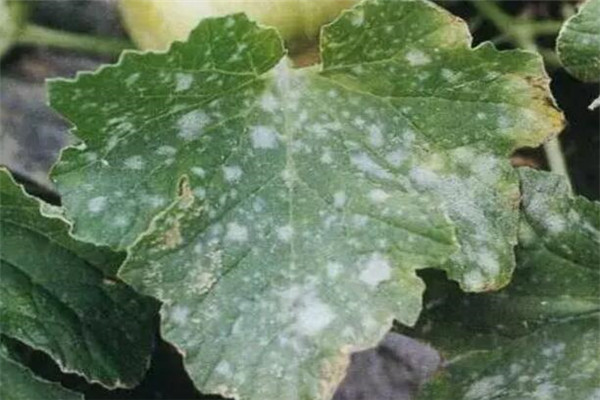
Powdery mildew is a disease that commonly occurs on flowers. Generally, flowers such as Chinese roses, roses, chrysanthemums, and impatiens are easily infected, and succulents are also prone to powdery mildew.
Prevention and control methods:
1. Clean up the leaves infected with powdery mildew, disinfect and sterilize with carbendazim, then ventilate and avoid a humid environment.
2. You can use baijiu to treat powdery mildew:
Dilute 35° baijiu with water about 100 times, then spray it on the diseased leaves.
Scale insects
Scale insects mainly damage flower leaves, branches, and fruits, causing yellow leaves and withering. Jasmine, camellia, and succulents are relatively prone to scale insect infestation.
Prevention and control methods:
1. First remove diseased branches and leaves, and burn them as much as possible to prevent reinfection.
2. Simple household prevention and control methods:
① Mix 1 part baijiu with 2 parts water, and water the surface layer of the soil thoroughly. Water once every 15 days; results appear after four consecutive times.
② Dilute vinegar with water 2-3 times. Use a cotton swab dipped in the diluted vinegar to apply it to diseased leaves and branches. You can also use cotton. This not only removes pests but also helps the leaves turn green again.
Anthracnose
Anthracnose mainly damages orchid leaves, and sometimes also infects stems and fruits.
Prevention and control methods:
1. Cut off the parts with diseased spots, ventilate, and increase light exposure.
2. Simple household prevention and control methods:
① Mix baking soda and water at 1:500 and spray it on the flowers.
② Take a piece of ginger, mash it into a paste, add water at 20 times the amount and soak for 12 hours. After filtering, spray the filtrate on the affected plant.
③ Mix chive juice and clean water at a ratio of 1:60, then spray it on the flowers. Spray 2 times a day for 15 consecutive days.
④ Mix quicklime powder and clean water at a ratio of 1:60. Spray the upper clear liquid around the flowers to prevent and control anthracnose.
Aphids
Aphids are commonly known as greasy insects or honey insects. They reproduce very quickly and damage flowers and leaves, usually hiding on the underside of leaves.
Aphids should be treated as early as they are discovered. When only a small number first appear, you can directly remove them by hand.
Prevention and control methods:
1. Use a cotton swab to wipe them off or pinch them off with your fingers.
2. Soapy water. Slice soap, dissolve it in hot water, then mix it evenly with clean water at a ratio of 1:60. After it cools, spray it on the flowers.
3. In severe cases, you can use hua shen, imidacloprid, yashijing, etc., and spray continuously 3-4 times to completely eradicate them.
Whiteflies
Whiteflies are small insects that cause leaves to lose green color, turn yellow, wilt, and even cause the whole plant to die. They are usually on the underside of leaves.
Prevention and control methods:
1. Fertilize reasonably, and do not apply too much nitrogen fertilizer. This can improve the flowers' ability to resist whiteflies.
2. You can use garlic water and sulfur powder to prevent and control whiteflies:
① Take one head of garlic, mash it, add one bottle of water, stir well and filter. Spray the garlic water on the leaves once a day for 3-4 consecutive times. You can also use a brush or toothbrush to apply the garlic liquid to places with whiteflies, and it works immediately!
② Before using sulfur powder, first moisten the leaf surface with clean water, then sprinkle on the sulfur powder, mainly in places where whiteflies are present first, and try not to sprinkle it elsewhere.
Have you learned the methods to prevent pests and diseases?
If you have flowers at home that are suffering
then quickly try the steps above!