An old flower farmer's one sentence: Raise 11 kinds of flowers at home well, and every pot you grow will thrive
I remember when I first got into growing flowers, I chatted with an old flower farmer about how to make flowers grow so well they fill the pot. The old man said:
Water is the source of all things. If you want to grow flowers well, watering is the key. Do this well, and you have done 90% of flower growing, and you are not far from a pot bursting with growth!
At the time I listened and remembered this sentence. When I later grew flowers, I paid close attention to watering, so today I have put together watering methods for 11 kinds of potted plants. I hope you like them!
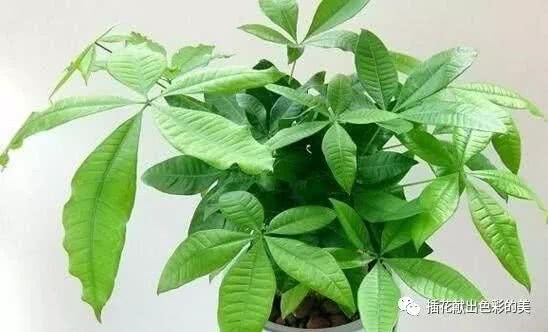
1. Money Tree
During the high-temperature growing period, it needs sufficient water; but it is fairly drought-tolerant and will not suffer harm if not watered for several days. However, it dislikes water accumulating in the pot. Reduce watering in winter.
2. Gymnocalycium baldianum
Gymnocalycium baldianum does not like water, and too much watering easily causes rot. It should be sprayed once a week, but if the air is humid, do not spray. Water once every two weeks, and do not water until it runs through. If the potting soil is moist, do not water. Watering depends on geographic location and climate, and should be based on actual conditions. Watering must be done with care.
3. Snake Plant
Snake Plant likes moist but slightly dry soil and is relatively drought-tolerant. Spring is the growing season for new leaves, and new buds will grow at the root crown, so it has slightly higher water requirements and the potting soil can be kept moist.
After the leaves have grown out, it is best for the potting soil to be moist but slightly dry, that is, water after the surface soil has dried out.
When the winter temperature is relatively low, keep the potting soil dry but not parched. In winter, watering should be done close to the pot edge to avoid water entering the leaf cluster and causing rot.
4. Kalanchoe
Although Kalanchoe is relatively drought-tolerant, it cannot lack water during the growing season. Normally it can be watered once every 2 to 3 days. During the vegetative growth stage, the soil must be kept moist, with timely and moderate watering.
In summer, when Kalanchoe is in an environment of high heat, strong sunlight, high evaporation and dry air, it can be watered once every evening. In cold winter, Kalanchoe enters dormancy, so watering should be controlled, or even withheld for a short time.
5. Fuchsia
During the growing period, the potting soil should be kept moist. Watering Fuchsia generally should follow the principle of "water when dry, stop when wet." During the flowering period, potting soil that is too dry or too wet can easily cause bud drop, flower drop or leaf drop. Long-term overly wet potting soil can also easily lead to root rot, yellow leaves, and even plant death.
When the winter room temperature is below 10°C, watering must be controlled even more strictly, and fertilizing should be stopped to prevent root rot. After each fertilizing and watering, loosen the soil in time to let air through.
6. Aloe
Aloe likes slightly dry soil, is drought-tolerant, dislikes water accumulation, and likes a dry air environment. After the spring temperature rises, Aloe resumes growth, and the water supply can be slightly increased. The potting soil is best kept moist but slightly dry.
In summer, keep the potting soil moist, and watering should alternate between dry and wet. At the same time, because Aloe likes a dry air environment, it should be placed separately from other plants that like humid air.
7. Purple Heart
During the spring and autumn growing seasons, it can be watered thoroughly, and when the potting soil is 70 to 80 percent dry, it can be watered until it runs through. Avoid long-term complete drying. If the leaves become soft and wrinkled, that is a sign of water shortage. During the rainy season, avoid prolonged exposure to rain.
9. Spider Plant
Spider Plant likes a humid environment and should be kept at relatively high air humidity. During the growing period, the potting soil needs to be kept moist. However, because its fleshy roots store a large amount of water, it also has fairly strong drought resistance and will not dry out and die if not watered for several days.
In summer, watering should be sufficient, and every evening the leaves and branches should also be sprayed with water to keep the air humid. In early October, move it indoors and place it in a sunny spot. Every 5 to 7 days, at noon when the temperature is relatively high, use clean water close to room temperature to spray and wash the leaves and branches. But the potting soil should preferably be on the dry side.
10. Golden Pothos
Water more. Golden Pothos likes moisture, so it should be watered more to keep the potting soil moist. In summer, not only should it be watered more, but the leaf surfaces should also be sprayed with water frequently. You can refer to the watering method for Spider Plant.
11. Aglaonema
Spring and autumn are the peak growing seasons for Aglaonema, so watering should be sufficient and the potting soil should often be kept moist. The water temperature should not be too low; the same as room temperature is fine. Frequently spray the leaves and branches with clean water to prevent the leaf tips from drying out, but try not to let water accumulate.