What are the precautions for watering flowers? Teaching you the correct watering method
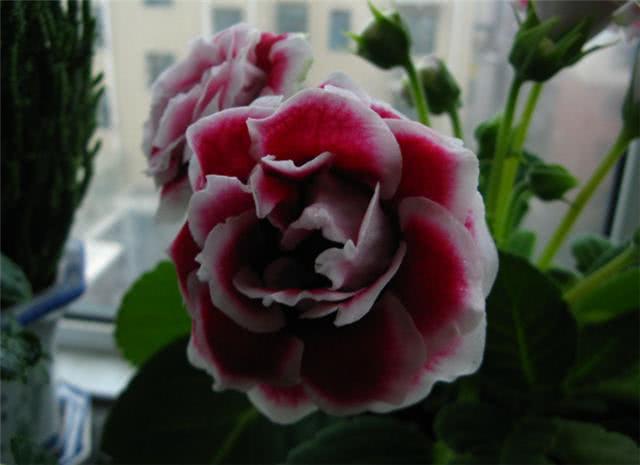
Flower lovers should know that in the care of flowers, watering is of utmost importance, and treating flowers kindly is the foundation of watering. At the same time, in the process of growing flowers, watering is also a very important issue, so flower lovers must understand the correct watering method according to the season, flower type and plant condition, so that the flowers can grow better!
Precautions for watering flowers
1. Flower type
Different flowers have different water requirements. Aquatic plants cannot do without water at all, succulents need less water and can be watered once a week, while foliage plants need the soil to stay slightly moist.
2. Plant condition
Smaller plants are usually not drought-tolerant, while larger plants have stronger drought tolerance, so watering must take the plant's growth state into consideration.
3. Cultivation location
Plants grown in the open air need more watering, while indoor flowers can be watered less.
4. Seasonal changes
In summer the climate is dry and flowers need more water, so you can give them more hydration, while in winter flowers grow slowly and enter a dormant period, with little transpiration, so you can water a little less. If in autumn and winter the flowers are not cold-tolerant, they can be placed indoors to escape the cold. At the same time, avoid improper watering, which can cause flowers to drop their leaves or even die. The watering time should also be chosen well; it is best to water on a clear morning, and flowers including wax begonia, calla lily and cactus can all grow better this way.
How to judge when watering flowers
1. Look at water quality
When watering flowers, water quality is also very important. Unpolluted natural precipitation is best; rainwater and snow water can both make flowers bloom better. Ordinary tap water should not be used directly on flowers; it can be stored for 1-2 days to let the chlorine in the water evaporate before use. Or use fish tank water, beer, sugar water, etc., to ensure the flowers can grow healthily.
2. Look at water temperature
The water temperature just needs to be close to the potting soil temperature. If the difference between water temperature and soil temperature is too great, it is not suitable for watering flowers, lest cold water damage the root system. Some reserve water can be placed near the flower pot to naturally adjust the water temperature. Generally the water temperature for watering flowers can be kept at around 5°C, which is very suitable for growing flowers.
3. Look at the flower plant
Different flowers and plants have different water requirements, so watering should vary with the flower. For common flowers such as cactus and aloe, because their root systems are not well developed, they should be watered less. For common ones such as begonia, gloxinia and calceolaria, water can be sprayed on the leaf surface to keep the soil moist, which is very beneficial to the growth of the flowers.
The above is an introduction to some of the precautions for watering flowers. When watering, flower lovers must pay attention to the type and condition of the flowers, and consider different watering methods in different seasons. At the same time, according to the characteristics of water quality, flower plant and water temperature, do a good job of watering and caring for the flowers, and the flowers can bloom more beautifully!