How do you repot flowers in spring? These precautions that flower lovers must not ignore
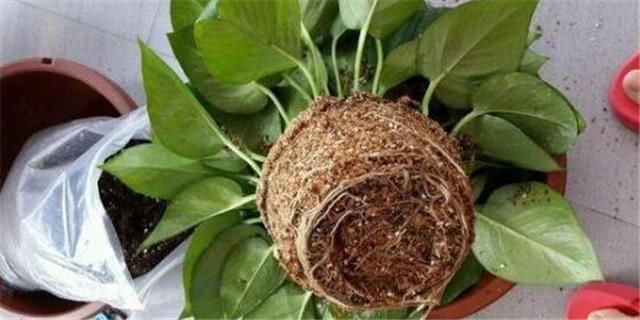
As spring arrives, the potted plants at home keep growing and becoming more and more robust, and the pots they are in seem very small, and because flower lovers water them often, the potting soil easily becomes compacted. So in spring, flower lovers must pay attention to repotting, seize the right moment, and repot in time to replenish nutrients for the flowers.
How to repot in spring
1. Determine the frequency of repotting
Herbaceous flowers such as chrysanthemums, evergreen plants (Rohdea japonica), and hyacinths grow relatively fast and can be repotted once a year, while woody plants and flowers such as Chinese roses and jasmine can be repotted every other year.
2. How to choose and handle the flower pot
For repotting, generally choose a pot larger than the original one and transplant the plant into it. If the plant is small, you can cut off the old roots and dead fibrous roots, then place it into the original pot with base fertilizer added, and be sure to disinfect the old pot, keep the inside and outside clean, and use it after drying to eliminate germs and insect eggs. If you use a new pot, you need to soak it in clean water for 1-2 days, and once it has fully absorbed water, it can be used.
3. What to pay attention to when repotting
A few days before repotting, stop watering the plant to keep the potting soil dry, which makes it easier to remove the plant from the pot. The main method is to first loosen the soil around the edge of the pot. If there is a lot of potting soil, you can scoop some out with a small shovel, then support the bottom of the pot with one hand and hold the plant with the other, turn the pot over, and the plant can be easily taken out of the pot. This method will not harm the plant or damage the pot, and it can also keep some soil around the roots, greatly shortening the plant's recovery time.
After covering the drainage hole of the new pot with a piece of tile, put the soil mixed with base fertilizer into the pot, then hold the plant's roots upright in the center of the pot, and then fill soil around the roots. While filling, press the soil firm with your hands until it is about 2-3cm from the rim of the pot, leaving enough space for watering.
4. Watering after repotting
After repotting, water the pot thoroughly, making sure to soak it completely, then after the water has fully penetrated, cover it with a thin layer of soil to retain moisture. Place the plant in a cool, ventilated place for about a week, then gradually move it to a sunny spot and resume normal care for the flowers.
5. Pay attention to pruning the flowers when repotting
After potted flowers are repotted, the plant can be pruned by cutting off diseased branches, weak branches, excess branches, and feeble branches. For excessively weak plants, they can be pruned heavily, or cut off from the base, to encourage the growth of healthy branches.
I believe flower lovers now have some understanding of how to repot flowers in spring. For flower plants to grow well, they cannot do without flower pots, so repot in time to replenish nutrients for the flowers and provide better growing conditions. Also be sure to provide good light for the flower pots, and pay attention to watering and pruning, so the plants can become more robust. If you want to know more small tips about repotting flowers, flower lovers can click to follow.