A new method for repotting orchids: orchid growers' innovation doesn't damage the plant's vitality, and it fills the pot and blooms in the first year
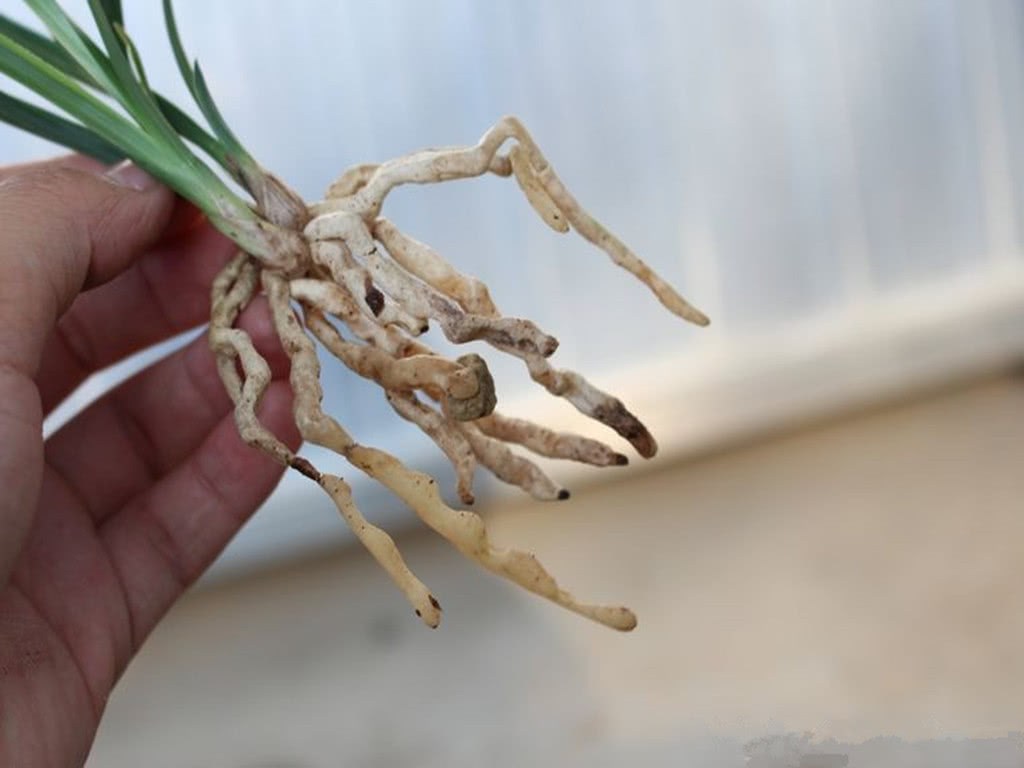
Orchid growers have innovated a new repotting method that achieves the goal without damaging the plant's vitality, and in the first year it can make the orchid fill the pot and bloom.
Growers who cultivate orchids all know that the best time to repot must be in spring or autumn. Usually, orchid repotting is mainly concentrated in spring, because spring is when all things revive, and in the early stage of plant growth, nutrient uptake is not yet very great.
However, when to repot orchids should be determined according to the grower's ultimate purpose in cultivating the flowers. That is to say, whether the orchid being cared for is for sale or for one's own enjoyment. The repotting cycle should be decided according to growers' views; some say one year, some say two years, and each has its own advantages, because repotting once a year can stimulate the orchid plant to sprout new shoots, while repotting once every two years helps the previous year's offshoots grow further and become sturdier.
For professional orchid growers, the usual practice is to repot once a year. The advantage is that division of the plants can be carried out at the same time as repotting, prompting the orchid plant to produce more buds, and it also makes it convenient to sell the orchid seedlings that same year. For free growers who do not cultivate orchids for sale, repotting every year not only increases the cost of potting medium but also increases the number of orchid pots to manage, and at the same time they are also restricted by the grower's cultivation space. If they do not repot, the sprouting rate will certainly be somewhat lower, so is there a method that gets the best of both worlds?
Through years of exploration, orchid growers have innovated partial repotting for orchids. The specific method is: disturb the orchid plant as little as possible, take out the potting medium from the surface layer of the orchid pot, about 25%-30% of the total potting medium by amount, and add newly prepared potting medium. This method can be used continuously for many years until division of the plants; its advantages are that it does not affect the growth of the orchid seedlings, there is no process of acclimating to the pot, and it can also stimulate the orchid seedlings to send out new shoots; finally it forms a large, spectacular display, greatly raising the grower's enthusiasm for cultivating orchids.
At the same time, thank you for taking your precious time out of your busy schedule to read patiently. Reading takes you to a higher level. In addition, if you have any thoughts or views, you can post them in the comment section below. Readers are welcome to save or forward it! Click the word "Follow" and you will be able to read more articles related to orchid care.