Forsythia blooms beautifully and is often mistaken for winter jasmine, but it is actually a very valuable plant
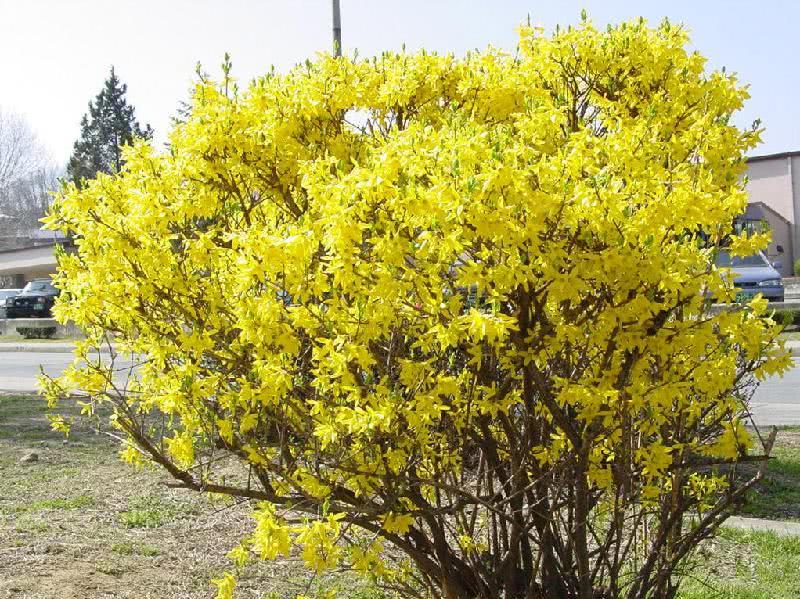
In China there is a commonly used landscaping plant that, like winter jasmine, blooms in early spring with a brilliant golden display, and is often mistaken for winter jasmine, yet it is actually a precious medicinal herb. This plant is called "forsythia." Many people have heard this name, right? It is a traditional Chinese medicinal herb, often used to treat wind-heat colds, with heat-clearing and detoxifying effects, and is the main raw material of various traditional Chinese medicine preparations.
Differences between forsythia and winter jasmine
1. Forsythia grows relatively tall, with fairly sturdy branches that do not droop easily; winter jasmine is relatively short, shrub-like, with branches that droop easily
2. Forsythia branches are light brown, on the darker side; winter jasmine's small branches are green
3. Forsythia leaves are slightly larger, with neat coarse serrations along the edges; winter jasmine leaves are small and pointed, growing symmetrically in a cross shape
4. The most obvious difference isforsythia has only four petals, while winter jasmine has six petals
5. Forsythia bears fruit, while winter jasmine almost never does
Speaking of forsythia fruit, it is actually a high-quality oil plant, with an oil content of up to 33%, and extremely wide uses. First, it contains oleic acid and linoleic acid that are easily absorbed by the human body, so it can be eaten as cooking oil and tastes very fragrant. Second, it contains a lot of gum, making it an excellent raw material for making cosmetics. After boiling forsythia flowers and unripe fruit in water and letting it cool, washing your face with this water before bed every night has the effects of sterilizing, removing mites, and beautifying the skin. In addition, it can also be used to make soap, lubricating oil and insulating paint.
In addition, forsythia extract is a natural preservative that can inhibit bacterial growth in food and help keep it fresh, making it a low-cost healthy preservative. Dear readers, do you know forsythia?