What to do about yellow leaves on gardenia? Learn this one trick to bring the leaves back to life
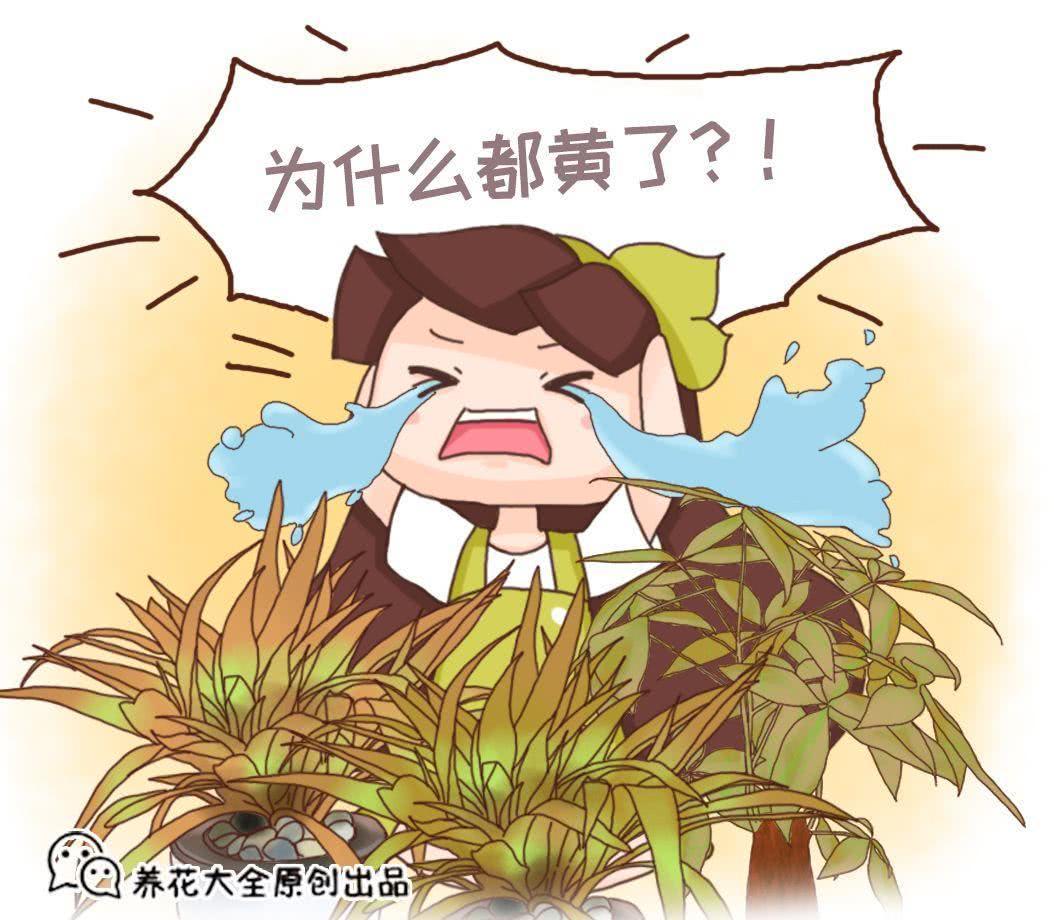
Huahua bought a pot of mint over the weekend, but within just a few days, the leaves had shriveled and turned yellow, looking sickly and nearly dead! So today, Huahua is going to talk about why the plants at home always get yellow leaves.
Why does the gardenia keep turning yellow?
Huahua's Gardening Encyclopedia
Spring is exactly when gardenias bloom, but quite a few gardening friends have noticed that their gardenias, as they care for them, end up with all their leaves turning yellow. What exactly is going wrong here?
Main reason one: overwatering
After many gardening friends bring a gardenia home, they just can't control their hands and want to water the gardenia to keep the humidity up, never expecting that the gardenia's roots simply can't absorb that much water, and in the end the roots rot and the leaves turn yellow.
Solution:
1. As soon as you notice yellow leaves on the gardenia, cut off the yellowed leaves, and at the same time cut off the old branches and weak branches as well, to improve air circulation.
2. To avoid waterlogging and root rot, you can water using the soak method, then find a somewhat larger plastic bag, cover the entire gardenia with it, and place it in a bright indoor spot to let it settle in.
Main reason two: lack of iron
Gardenias like acidic soil. Generally, gardenias grown in the north will develop yellow leaves because the soil is on the alkaline side. At first only the leaves turn yellow while the veins stay green, but over time all the leaves turn yellow.
Solution:
1. Mix ferrous sulfate and clean water in a 1:2000 ratio to make a solution, and apply it directly to the gardenia. After about 2-3 times, yellow leaves can be avoided.
2. Once ferrous sulfate is mixed with water, use it promptly and don't let it sit. This is because freshly mixed ferrous sulfate is the blue-green color that gardenias can absorb, but if left to sit it will oxidize, and the gardenia won't be able to absorb it.
Why does asparagus fern keep turning yellow?
Huahua's Gardening Encyclopedia
When it comes to asparagus fern, quite a few gardening friends have shed bitter tears. Buy one pot and it turns yellow, buy another and it turns yellow too. What on earth is going on with this asparagus fern?
Main reason one: not enough humidity
Although the asparagus fern's roots fear waterlogging, it actually likes a high-humidity environment. Homes are generally fairly dry, which easily causes yellow leaves on the asparagus fern due to insufficient humidity.
Solution:
1. In spring, water about once every 3-5 days. Insert a small wooden stick into the soil, and when you find the spot 2-3 cm from the soil surface has dried out, water again.
2. In the morning and evening, use a fine-nozzle spray bottle to spray water toward the leaves and the surrounding air, to ensure enough air humidity.
Main reason two: wrong placement
The asparagus fern's graceful, flowing form makes many gardening friends like to put it in the living room, but it actually fears smoke and dust. If it's placed where there are cooking fumes in the kitchen, or in the living room near the TV and other sources of radiation, it will also cause large areas of leaves to turn yellow.
Solution:
1. The asparagus fern cannot be exposed to harsh sun. It can be placed in a bright indoor spot, such as a study or living room.
2. Be careful to keep it away from places with heavy cooking fumes in the kitchen and from appliances that emit radiation, such as the TV.
Why does pothos keep turning yellow?
Huahua's Gardening Encyclopedia
When it comes to the plants most commonly grown at home, if pothos ranks first, then no other plant dares to rank second. Although pothos looks very easy to grow, once it gets yellow leaves, it really makes you worry!
Main reason one: improper watering
Although pothos likes water, the pot must not become waterlogged. Once waterlogged, the leaves will turn yellow, and in severe cases the roots will even rot and the plant will die. A lack of water, on the other hand, will affect the pothos's normal growth, and yellow leaves will also occur.
Solution:
1. In spring, pothos is growing like crazy. At this time, water once every 3-5 days, watering until water flows out from the bottom of the pot.
2. If it's waterlogged and the roots are rotting, put the flowerpot in a cool, well-ventilated place to let the water in the pot evaporate, or place a towel under the pot to absorb the excess water.
Main reason two: lack of fertilizer
During the pothos's peak growing season, you must ensure an adequate supply of fertilizer. If nutrients are lacking, it easily leads to insufficient nutrients, the new leaves that grow come out yellow, and afterward the old leaves will gradually turn yellow and drop off too.
Solution:
1. Mix fully fermented rice water or milk water with clean water in a 1:50 ratio, and water the pothos with it to replenish nutrients.
2. You can also mix beer with water at 1:50 and spray it on the pothos leaves or wipe the leaves with it. This can also replenish nutrients and make the pothos grow more and more vigorously!
Why does the Chinese rose keep turning yellow?
Huahua's Gardening Encyclopedia
After the start of summer, the Chinese rose is most prone to yellow leaves, and many gardening friends assume it's a lack of fertilizer, but actually it isn't.
Main reason one: overwatering
Although the Chinese rose likes water, if you water every few days, or if it hits a stretch of continuous rainy days, the leaves will also turn yellow. Usually the edges of the old leaves start to turn yellow and dry up, and the new shoots shrink and stop growing.
Solution:
1. Put the flowerpot in a ventilated place to let the excess water in the soil evaporate as quickly as possible. During this period, absolutely do not fertilize, otherwise the roots are prone to infection and death.
2. If the waterlogging is severe, take the Chinese rose out of the pot, put it in a cool place, let the soil dry to about seventy or eighty percent, and then repot it.
Main reason two: too much fertilizer
To make the Chinese rose bloom more, many gardening friends fertilize it frequently, or apply fertilizer at too high a concentration all at once, which causes yellow leaves on the Chinese rose. It usually shows as new leaves that are glossy but bumpy and uneven, while the old leaves are scorched yellow and even age and drop off.
Solution:
1. Stop fertilizing, and flush the potting soil several times with water to fully dilute the fertilizer. In severe cases, just repot it.
2. Spray the Chinese rose's leaves or drench the roots with brassinolide diluted 2500 times, which can help alleviate the problem.
Why does the money tree keep turning yellow?
Huahua's Gardening Encyclopedia
Because it symbolizes rolling in wealth, many gardening friends keep a money tree at home, yet they don't know when it started, but this money tree always gets yellow leaves, and they can't find the reason, which is just exhausting!
Main reason one: waterlogging and root rot
The money tree's roots are very shallow. If you accidentally water too much, it will cause waterlogging and root rot in the money tree, and the leaves will naturally turn yellow along with it.
Solution:
1. If the waterlogging isn't severe, put the flowerpot in a ventilated place to let the excess water in the pot evaporate. You can also place a few small stones under the bottom of the pot to raise it up, so the excess water can flow out from the bottom of the pot.
2. If the waterlogging is severe and has caused root rot, then you have no choice but to take it out of the pot, cut off the rotted roots, and then repot it.
Main reason two: lack of fertilizer
The money tree is a tall plant, and if you want it to grow vigorously, fertilizer is indispensable. Once the fertilizer supply is insufficient, the money tree will start to get yellow leaves. Usually the new leaves turn yellow and wilt, and the old leaves will also gradually turn yellow.
Solution:
1. If you have compound fertilizer at home, dig 2-3 small holes along the edge of the money tree's pot, bury the compound fertilizer granules in them, and let the compound fertilizer granules seep into the potting soil as you water.
2. When repotting, you can mix fertilizers such as bone meal and bean dregs with garden soil to use as a base fertilizer.
That's all Huahua has to share today.
If you gardening friends have any other questions about yellow leaves,
leave a message for Huahua below!
Huahua will definitely answer them for you!
?